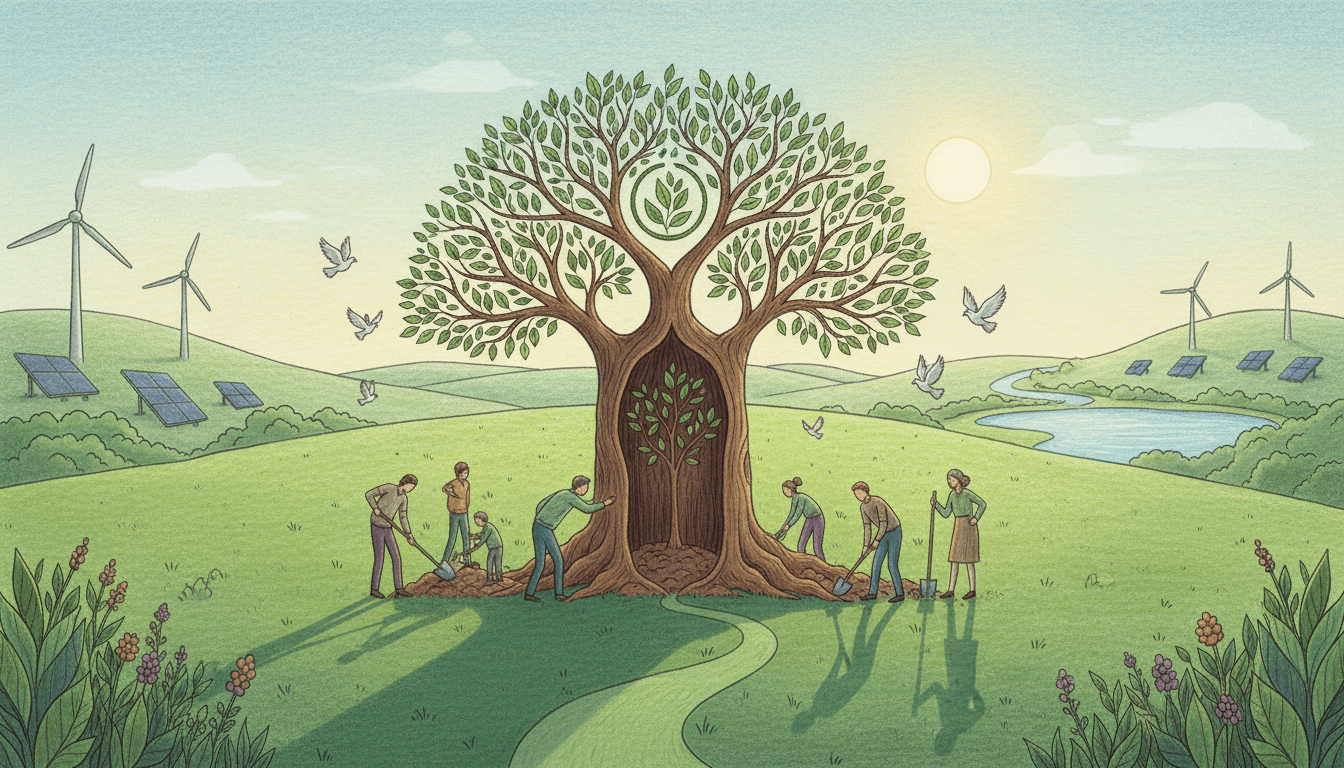

Sustainable Funeral Practices: Eco-Friendly Burial and Cremation Options

As environmental consciousness grows, sustainable funeral practices are transforming end-of-life choices. This comprehensive guide explores green burial innovations, eco-friendly cremation technologies, and alternative disposition methods. We analyze biodegradable materials, low-emission cremation processes, and natural decomposition techniques that reduce carbon footprints while supporting land conservation and ecological restoration. Families can make informed decisions that honor their loved ones while protecting our planet's future.

Sustainable Funeral Practices: Eco-Friendly Burial and Cremation Options cover

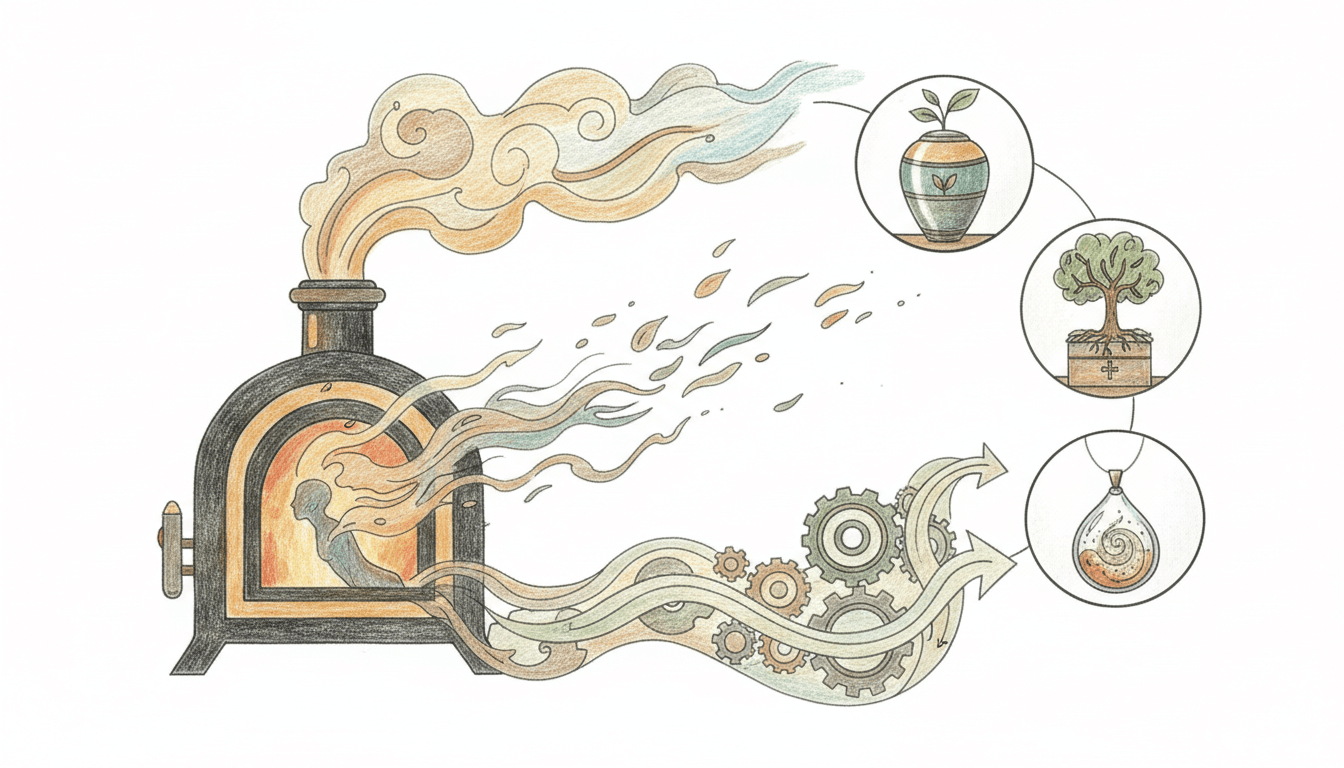
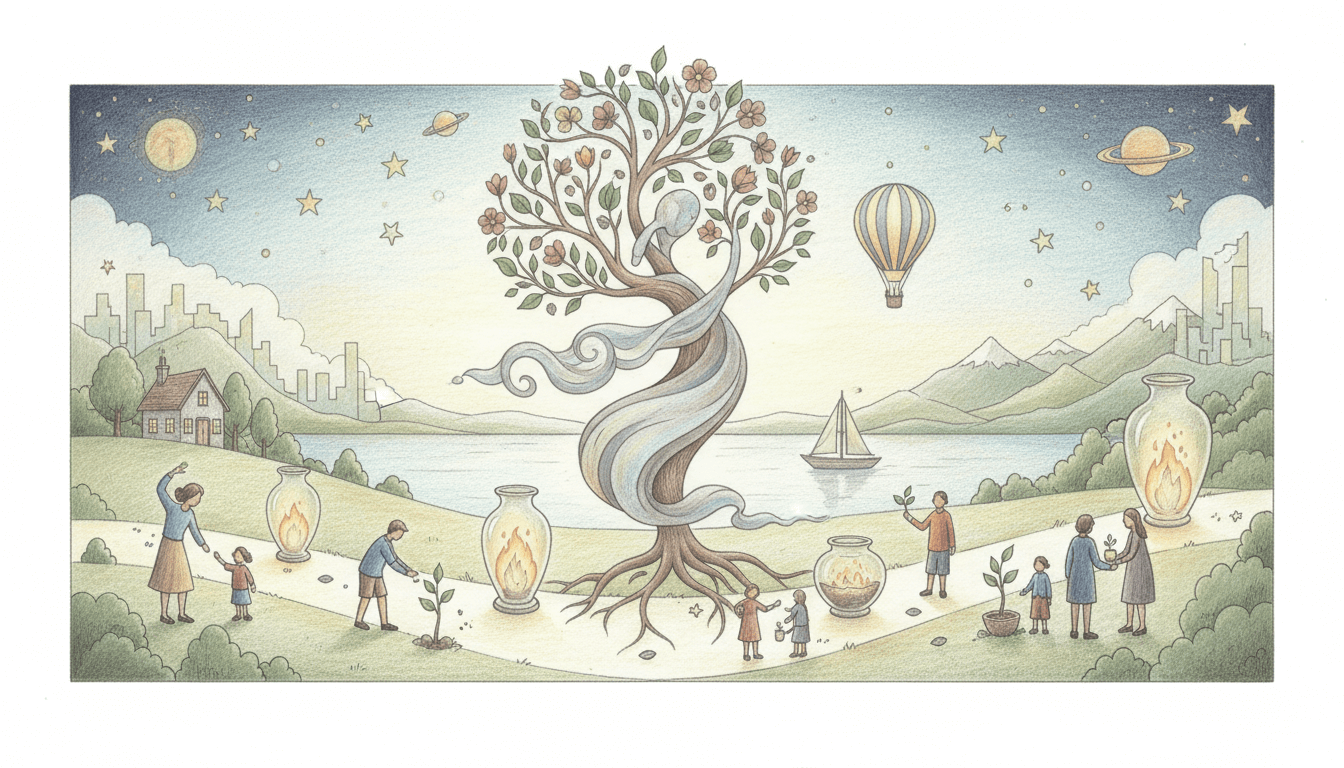
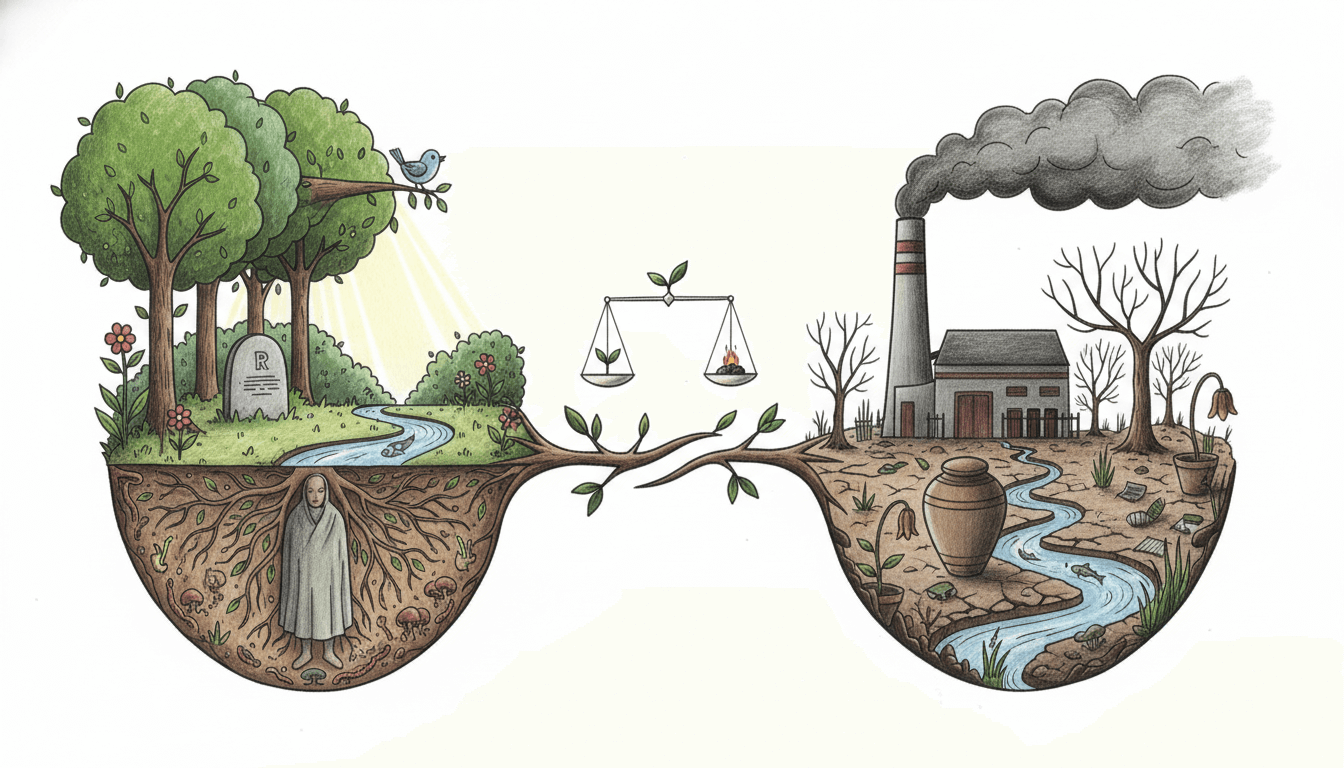
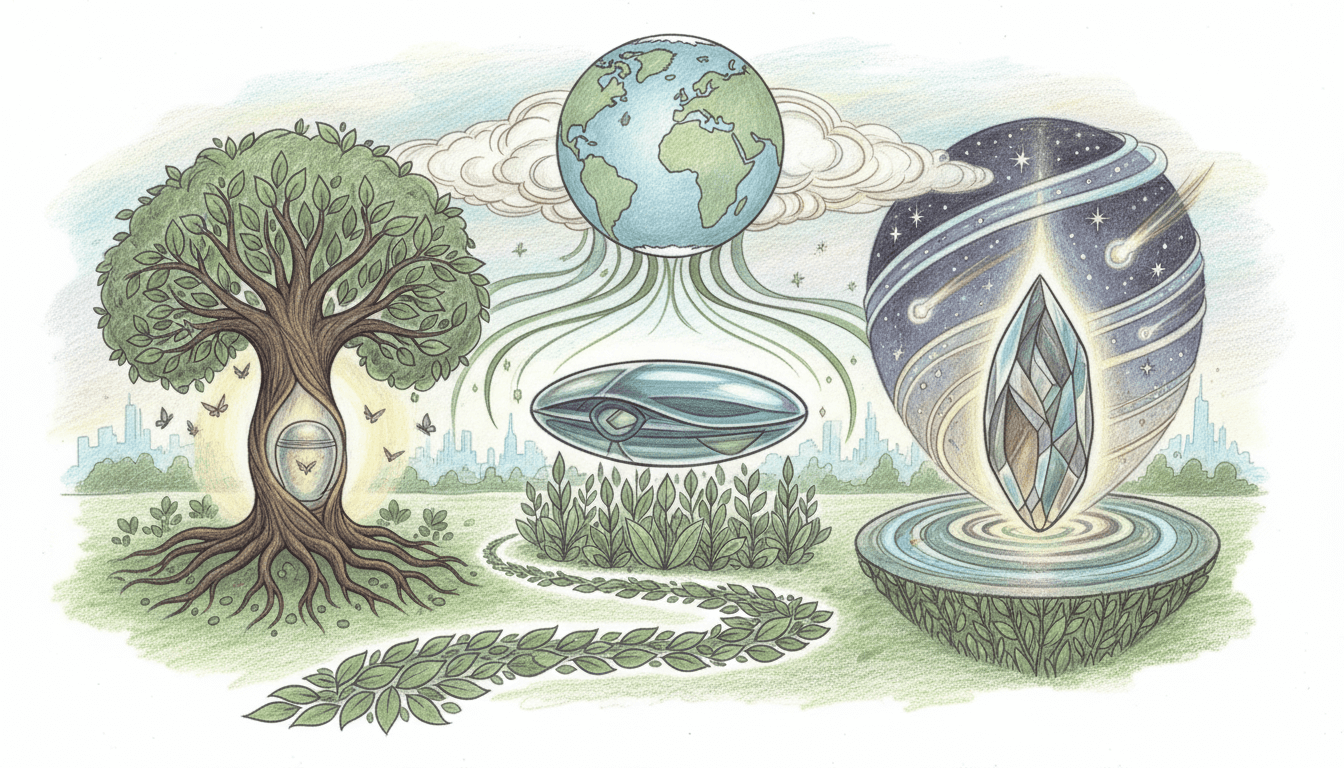
The funeral industry is undergoing a significant transformation as environmental awareness shapes new approaches to end-of-life care. Traditional funeral practices often involve resource-intensive methods that can have substantial environmental impacts, including carbon emissions from cremation, land use for cemeteries, and chemical embalming processes. Sustainable funeral practices address these concerns through innovative solutions that minimize ecological footprints while maintaining dignity and respect for the deceased. This comprehensive comparison examines three primary categories of eco-friendly funeral options: green burial innovations, eco-friendly cremation technologies, and alternative disposition methods. Each approach incorporates specific environmental strategies such as reduced carbon footprint, land conservation, and ecological restoration, providing families with meaningful choices that align with their environmental values.

1Green Burial Innovations

Advantages

  • Complete natural decomposition process returns nutrients to soil
  • No chemical embalming fluids contaminating groundwater
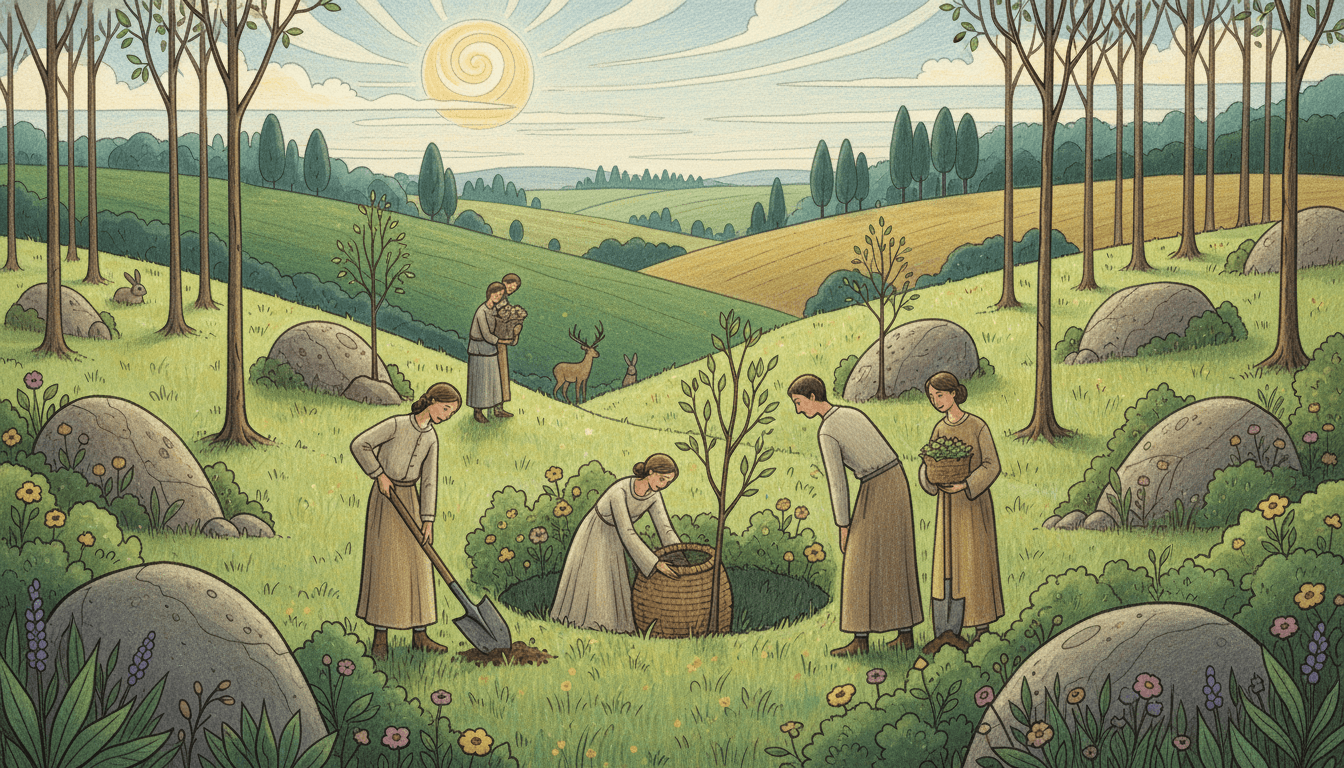
  • Supports native habitat restoration and land conservation
  • Uses biodegradable caskets and shrouds from sustainable materials
  • Creates memorial natural landscapes rather than traditional cemeteries

Disadvantages

  • Limited availability of certified green burial sites in some regions
  • May require transportation to specialized conservation cemeteries
  • Restrictions on grave markers and traditional memorialization
  • Higher initial costs for some natural burial containers
  • Limited flexibility for family visitation in some natural settings

Specifications

MaterialsBiodegradable caskets (unfinished wood, wicker, cardboard), cotton or wool shrouds, plant-based embalming alternatives
ProcessBurial depth 3-4 feet to facilitate aerobic decomposition, no concrete vaults or liners
CertificationGreen Burial Council certification standards for cemeteries and providers
Environmental ImpactZero chemical contamination, supports soil health and biodiversity

2Eco-Friendly Cremation Technologies

Advantages

  • Significantly reduced energy consumption compared to traditional cremation
  • Advanced filtration systems capture 99.9% of mercury emissions
  • Water cremation (alkaline hydrolysis) uses 90% less energy than flame-based methods
  • Carbon-neutral options using renewable energy sources
  • Flexible memorialization options with reduced environmental impact

Disadvantages

  • Higher operational costs for advanced filtration systems
  • Limited availability of water cremation facilities in many areas
  • Public perception challenges with newer cremation technologies
  • Regulatory variations between states and countries
  • Energy requirements still substantial despite efficiency improvements

Specifications

TechnologiesFlame-based cremation with mercury capture systems, alkaline hydrolysis (water cremation), bio-cremation
Emissions ReductionUp to 75% reduction in carbon emissions compared to traditional cremation
Energy EfficiencyModern retorts reduce natural gas consumption by 30-40%
Byproduct ManagementMetal recycling from medical implants, proper disposal of filtered contaminants

3Alternative Disposition Methods

Advantages

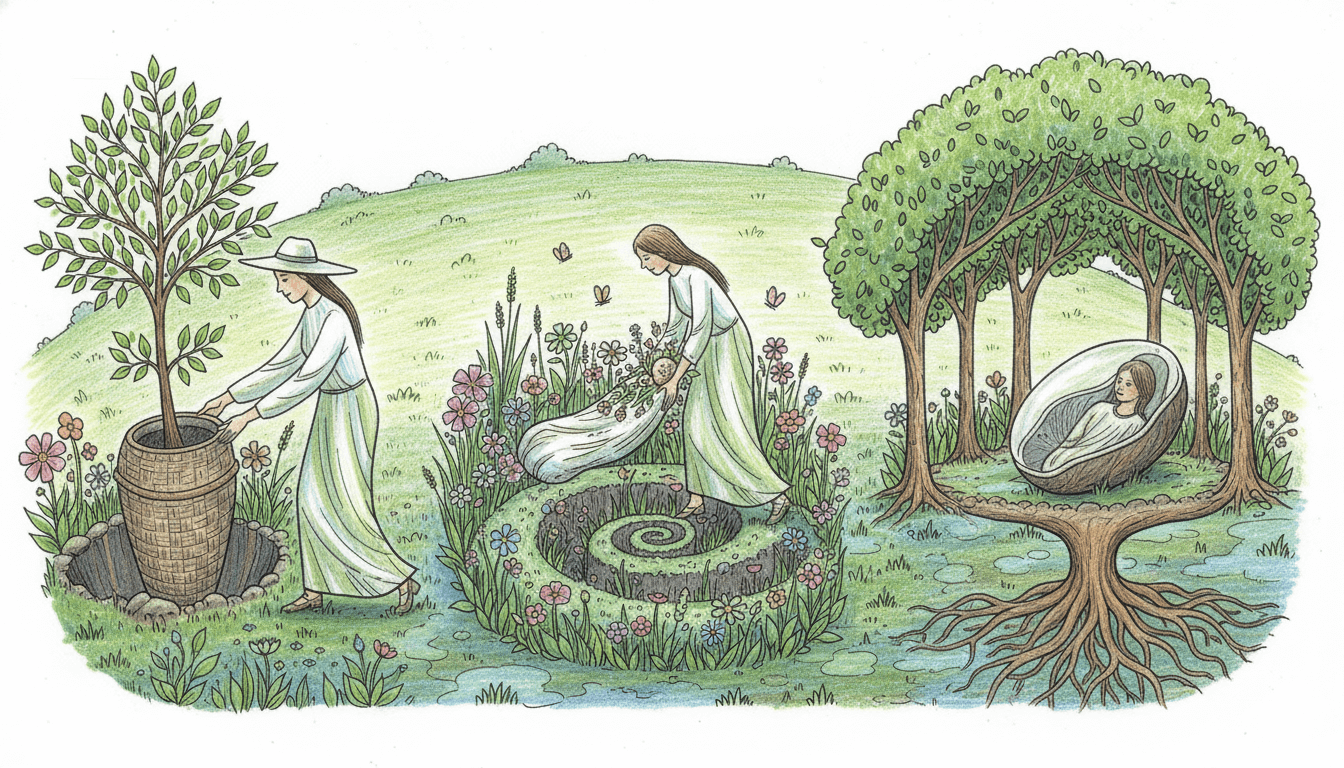
  • Human composting transforms remains into nutrient-rich soil
  • Promession (freeze-drying) uses liquid nitrogen for minimal energy impact
  • Supports urban agriculture and reforestation initiatives
  • Creates living memorials through tree planting and landscape restoration
  • Innovative approaches continuously emerging in research and development

Disadvantages

  • Limited legal acceptance in many jurisdictions worldwide
  • High implementation costs for new technology infrastructure
  • Cultural and religious acceptance barriers in some communities
  • Limited long-term data on environmental impacts
  • Accessibility challenges for widespread public adoption

Specifications

MethodsNatural organic reduction (human composting), promession, reef ball creation, mushroom burial suits
Transformation Time30-45 days for complete human composting process
End ProductsNutrient-rich soil (approximately 1 cubic yard per person), memorial reefs, living trees
Environmental BenefitsCarbon sequestration, soil regeneration, marine habitat creation

Comparison Table

MethodCarbon FootprintLand Use ImpactCost RangeAvailabilityEnvironmental Benefits
Green BurialMinimal (0.1 metric tons CO2)Conservation-focused$2,000-$5,000Limited but growingSoil health, biodiversity, land preservation
Eco-CremationLow (0.2-0.4 metric tons CO2)Minimal land use$1,500-$3,500Widely availableReduced emissions, energy efficiency
Alternative MethodsVariable (0.05-0.3 metric tons CO2)Minimal to beneficial$3,000-$7,000Very limitedSoil creation, habitat restoration, carbon sequestration

Verdict

Each sustainable funeral practice offers distinct environmental advantages while addressing different aspects of ecological responsibility. Green burial provides the most natural approach with minimal environmental disruption and supports land conservation efforts. Eco-friendly cremation technologies offer practical solutions for reducing emissions while maintaining flexibility for memorialization. Alternative disposition methods represent the cutting edge of funeral innovation, with potential for significant environmental benefits through soil creation and habitat restoration. The optimal choice depends on individual priorities, local availability, and specific environmental goals. Families should consider their values, budget, and the ecological legacy they wish to create when selecting among these sustainable options. As technology advances and public awareness grows, these environmentally responsible practices will continue to evolve, offering increasingly accessible and effective ways to honor loved ones while protecting our planet.

sustainable funeralsenvironmental burialgreen cremationeco-friendly dispositionconservation burial

Related Comparisons

Memorial Technology and Digital Commemoration: Modern Approaches to Honoring Loved Ones cover

Memorial Technology and Digital Commemoration: Modern Approaches to Honoring Loved Ones

Digital commemoration technologies are transforming how we memorialize loved ones, offering innovative alternatives to traditional burial and cremation. This comprehensive analysis explores online memorial platforms, virtual tribute technologies, and digital memory preservation systems. We examine how these digital solutions provide lasting legacy preservation while enabling global accessibility for family connections. The comparison reveals how modern memorial technology complements traditional funeral practices with enhanced personalization and interactive remembrance experiences.

2025-09-26
12 min
18.3k
Read more
Cremation vs. Burial: Comprehensive Cost Analysis and Financial Considerations cover

Cremation vs. Burial: Comprehensive Cost Analysis and Financial Considerations

This detailed comparison examines the significant cost differences between cremation and burial, based on National Funeral Directors Association data. Cremation typically offers substantial savings, with median costs of $6,280 including viewing versus $9,420 for traditional burial. Direct cremation provides the most economical option at approximately $2,202, while direct burial averages $5,138. We explore service variations, additional expenses, and financial planning strategies to help families make informed decisions during difficult times.

2025-11-06
9 min
17.1k
Read more
Cremation Process and Options: A Comprehensive Guide cover

Cremation Process and Options: A Comprehensive Guide

Cremation involves reducing a body to ashes through high-temperature processes typically lasting three hours. Families can select from direct, memorial, or traditional service types, with ashes returned for keeping, scattering, or memorialization. This method offers significant flexibility in honoring loved ones, supported by professional guidelines to ensure respectful handling. Understanding these options helps in making informed decisions during funeral planning, aligning with personal preferences and cultural practices.

2025-10-04
5 min
22.9k
Read more
Cremation Process and Considerations: A Comprehensive Guide cover

Cremation Process and Considerations: A Comprehensive Guide

Cremation involves reducing the body to bone fragments through high-temperature processes, requiring preparation steps like removing medical devices and jewelry. This guide details the cremation procedure, memorial options including scattering ashes or keeping them in urns, and compares it with traditional burial. With over 56% of Americans choosing cremation in 2023, understanding these aspects helps families make informed, respectful decisions aligned with their values and budget.

2025-10-23
6 min
91.5k
Read more
Religious Perspectives on Body Disposition: Burial and Cremation Traditions Across Faiths cover

Religious Perspectives on Body Disposition: Burial and Cremation Traditions Across Faiths

Religious traditions provide distinct guidance on body disposition, with practices ranging from burial to cremation based on theological beliefs. Christianity has evolved to accept cremation, while Judaism and Islam emphasize intact burial for resurrection. Hinduism views cremation as a spiritual transformation. This guide explores each faith's requirements, historical context, and contemporary adaptations, offering families respectful, informed choices grounded in interfaith research and trending flexibility in practices.

2025-09-23
8 min
15.1k
Read more
Emotional Considerations in Funeral Planning: Navigating Burial vs. Cremation cover

Emotional Considerations in Funeral Planning: Navigating Burial vs. Cremation

Funeral planning involves profound emotional considerations when choosing between burial and cremation. This comprehensive guide explores how personal grief, cultural expectations, family dynamics, and individual beliefs shape these decisions. Research from Grief Counseling and Memorial Services indicates that emotional comfort, personal meaning, and family traditions are primary decision drivers. Understanding these factors helps families make choices that honor their loved ones while providing emotional closure and cultural respect.

2025-11-01
6 min
43.4k
Read more
Cremation Cost Comparison: An In-depth Financial Analysis for Funeral Planning cover

Cremation Cost Comparison: An In-depth Financial Analysis for Funeral Planning

Cremation offers significant cost savings compared to traditional burial, with median expenses ranging from $2,000 to $7,200. Direct cremation is the most affordable option at approximately $2,202, delivering savings of $1,500 to $3,000 versus burial. This comprehensive guide explores detailed pricing, pros and cons of each service, and practical strategies for families to make respectful, budget-conscious decisions while honoring their loved ones.

2025-10-04
5 min
55.0k
Read more
Cremation Trends and Future Projections: Analyzing the Rise and Its Implications cover

Cremation Trends and Future Projections: Analyzing the Rise and Its Implications

Cremation rates are projected to reach 80% by 2024, driven by lower costs, environmental awareness, and flexibility in memorialization. This comprehensive analysis explores the factors fueling this trend, compares burial and cremation options, and examines evolving societal attitudes toward end-of-life practices. Families are increasingly choosing cremation for its affordability and eco-friendly benefits, while still honoring loved ones with personalized services. The shift reflects a broader movement toward practical, meaningful funeral planning that aligns with modern values and financial considerations.

2025-11-15
10 min
15.1k
Read more
Cremation vs. Burial: A Detailed Cost Comparison and Financial Analysis cover

Cremation vs. Burial: A Detailed Cost Comparison and Financial Analysis

This comprehensive analysis compares the financial implications of cremation and burial, drawing on data from the National Funeral Directors Association. Cremation typically costs less, with direct cremation at $2,202 and cremation with viewing at $6,280, while traditional burial with viewing averages $9,995 and direct burial is $5,138. Factors influencing costs include service selections, merchandise, and regional variations. Understanding these differences helps families make informed, respectful decisions aligned with their budget and values.

2025-10-20
9 min
50.1k
Read more
Green Burial Alternatives: Natural Burial & Terramation vs Traditional Methods cover

Green Burial Alternatives: Natural Burial & Terramation vs Traditional Methods

Explore eco-friendly funeral practices like natural burial and terramation that prioritize environmental sustainability. These methods use biodegradable materials, avoid embalming chemicals, and facilitate natural decomposition, enabling the body to integrate into the ecosystem within a year. Learn how these options compare to conventional burial and cremation in terms of cost, environmental impact, and regulatory considerations.

2025-09-02
11 min
60.3k
Read more
Memorial Flexibility with Cremation: Personalizing Tributes for Lasting Legacies cover

Memorial Flexibility with Cremation: Personalizing Tributes for Lasting Legacies

Cremation provides families with exceptional flexibility in memorializing loved ones, allowing ashes to be scattered in meaningful locations, divided among relatives, or transformed into memorial jewelry and art. This approach supports personalized and creative expressions of remembrance, with options for varied urn styles and memorial service timing. Professional guidelines highlight benefits like personalization and adaptability, empowering families to craft unique tributes that honor individual preferences and cultural traditions.

2025-09-29
6 min
61.8k
Read more
Permanent Memorial Considerations: Traditional Burial vs. Cremation Memorials cover

Permanent Memorial Considerations: Traditional Burial vs. Cremation Memorials

This comprehensive guide examines permanent memorial options in traditional burial versus cremation memorialization. Traditional burial provides a dedicated physical gravesite for visitation and grief processing, offering tangible connection points through headstones and cemetery maintenance. Cremation memorials include columbarium niches, burial plots for urns, or scattering gardens with permanent markers. Key considerations include costs averaging $2,000-$5,000 for burial plots versus $1,000-$3,000 for cremation niches, location flexibility, and long-term maintenance requirements. Families should evaluate emotional needs, budget constraints, and visitation preferences when selecting permanent memorialization options.

2025-09-30
6 min
79.8k
Read more
Cremation Pricing Variations: A Geographic and Strategic Analysis cover

Cremation Pricing Variations: A Geographic and Strategic Analysis

Cremation costs exhibit significant regional disparities influenced by local regulations, market competition, and geographic location. Urban centers typically command higher prices due to elevated operational expenses and demand, while rural areas offer more affordable options. Families can mitigate financial uncertainty through prepaid cremation plans, which lock in current rates and provide peace of mind. This comprehensive guide explores cost factors, regional comparisons, and strategic planning approaches to help families make informed decisions aligned with their budgetary and emotional needs.

2025-11-12
6 min
54.5k
Read more
Modern Technological Advances in Funeral Services: Burial vs. Cremation Innovations cover

Modern Technological Advances in Funeral Services: Burial vs. Cremation Innovations

Technological advancements are reshaping funeral services, offering environmentally conscious and personalized options. Advanced cremation techniques now reduce emissions by up to 90%, while burial innovations include biodegradable materials and digital memorial integrations. Families benefit from increased flexibility and creative memorialization methods, allowing tailored end-of-life planning that honors individual preferences and sustainability goals.

2025-09-03
9 min
79.4k
Read more
Alternative Body Disposition Methods: Eco-Friendly Innovations Beyond Burial and Cremation cover

Alternative Body Disposition Methods: Eco-Friendly Innovations Beyond Burial and Cremation

Explore groundbreaking eco-friendly body disposition methods like terramation, promession, and natural decomposition as sustainable alternatives to traditional burial and cremation. These innovative approaches emphasize environmental sustainability by enabling natural decomposition and ecosystem integration, reducing carbon footprints and chemical use. With growing global interest in green funerals, this guide details each method's processes, benefits, and considerations, empowering families to make informed, respectful end-of-life choices that honor both loved ones and the planet.

2025-10-13
10 min
49.2k
Read more
Burial Process and Considerations: A Comprehensive Guide to Traditional Ground Interment cover

Burial Process and Considerations: A Comprehensive Guide to Traditional Ground Interment

Traditional burial remains a widely chosen method for final disposition, involving systematic steps like body preparation, embalming, dressing, and casket placement in a cemetery plot. This approach offers a permanent memorial site, facilitating family visitation and ongoing remembrance. Ground burial provides tangible closure and a dedicated space for grief processing, supported by established funeral service protocols. This guide details the process, benefits, and key considerations to help families make informed decisions aligned with personal, cultural, and financial factors.

2025-10-16
6 min
86.2k
Read more
Environmental Impact Comparison: Burial vs Cremation cover

Environmental Impact Comparison: Burial vs Cremation

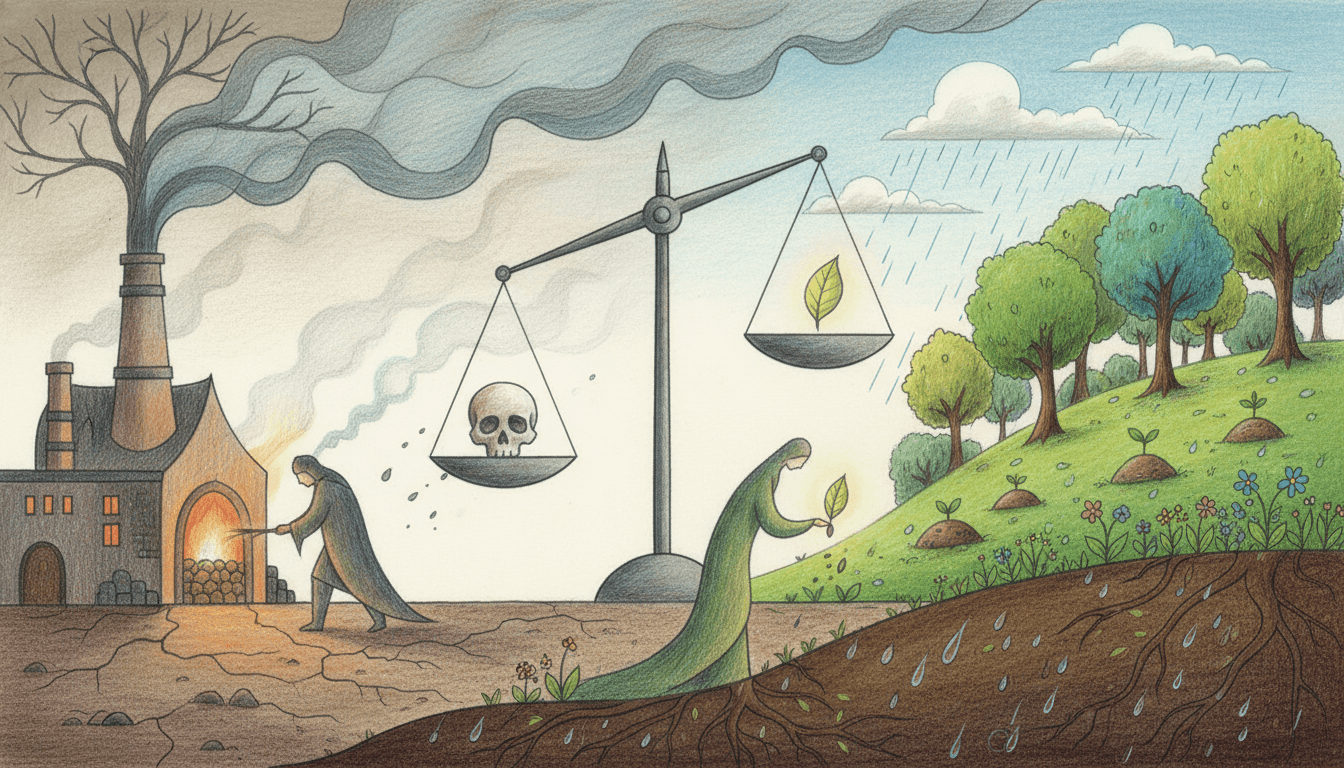
This comprehensive analysis explores the environmental implications of traditional burial and cremation practices. Traditional burial consumes vast resources: 20 million feet of wood, 4.3 million gallons of embalming fluid, and 1.6 million tons of concrete annually. Cremation generates significant emissions, using 30 gallons of fuel and releasing 540 pounds of carbon dioxide per process. We examine green alternatives and modern improvements that reduce ecological footprints while maintaining dignity in memorial practices.

2025-11-06
8 min
58.4k
Read more
Environmental Impact of Funeral Options: A Detailed Analysis of Cremation vs. Burial cover

Environmental Impact of Funeral Options: A Detailed Analysis of Cremation vs. Burial

This comprehensive analysis examines the environmental implications of funeral choices, focusing on cremation and traditional burial. Cremation releases significant carbon emissions—approximately 540 lbs of CO2 per process—while burial consumes vast resources annually, including 20 million feet of wood, 4.3 million gallons of embalming fluid, and 1.6 million tons of concrete. The article explores eco-friendly alternatives like green burial and evaluates each option's ecological footprint, providing families with informed guidance for sustainable end-of-life planning.

2025-08-26
7 min
56.8k
Read more
Religious Considerations in Funeral Choices: Burial vs Cremation Across Faiths cover

Religious Considerations in Funeral Choices: Burial vs Cremation Across Faiths

This comprehensive guide examines how major world religions influence funeral choices, particularly between burial and cremation. Judaism and Islam strictly prohibit cremation, emphasizing bodily integrity and resurrection beliefs. Traditional Catholicism historically prefers burial but now permits cremation under specific conditions. In contrast, Hinduism and Buddhism view cremation as essential for spiritual liberation, facilitating the soul's transition. Understanding these religious perspectives helps families make respectful, informed decisions aligned with their faith traditions during end-of-life planning.

2025-10-03
8 min
67.8k
Read more
Family Memorial Planning Considerations: A Comprehensive Guide to Burial and Cremation Decisions cover

Family Memorial Planning Considerations: A Comprehensive Guide to Burial and Cremation Decisions

This detailed guide explores essential family memorial planning considerations, focusing on burial versus cremation options. It covers critical factors including family dynamics, financial constraints, religious beliefs, and environmental impacts. With professional insights and data-driven comparisons, families can make informed decisions that honor their loved ones while addressing practical concerns. The article provides specific cost breakdowns, environmental statistics, and cultural considerations to help families create meaningful memorials aligned with their values and circumstances.

2025-09-12
10 min
84.8k
Read more
Cultural Considerations in Funeral Choices: Balancing Tradition, Personalization, and Practicality cover

Cultural Considerations in Funeral Choices: Balancing Tradition, Personalization, and Practicality

This comprehensive analysis explores how cultural backgrounds and family traditions profoundly influence funeral choices, while acknowledging the growing trend toward personalized planning. We examine key factors including religious practices, environmental concerns, and modern preferences, with detailed comparisons of burial and cremation options. Drawing from Cultural Funeral Practices Research, this guide helps families navigate these sensitive decisions while respecting both heritage and individual values in contemporary funeral planning.

2025-10-06
9 min
77.8k
Read more
Burial Process and Traditions: A Comprehensive Guide cover

Burial Process and Traditions: A Comprehensive Guide

Traditional burial offers a structured process including funeral services, coffin transportation, and cemetery interment, providing a permanent memorial location for families. This method ensures a dedicated gravesite for visitation and remembrance, fostering emotional connection and honoring cultural traditions. With clear steps and tangible benefits, burial serves as a respectful way to commemorate loved ones, supported by established practices and family-centered rituals.

2025-09-10
5 min
68.4k
Read more
Emotional and Personal Considerations: Navigating the Choice Between Burial and Cremation cover

Emotional and Personal Considerations: Navigating the Choice Between Burial and Cremation

This comprehensive guide explores the emotional and personal factors influencing the choice between cremation and burial, emphasizing how family traditions, religious beliefs, and personal values shape this deeply significant decision. It provides insights into the importance of permanent memorials, cultural significance, and individual comfort, supported by data from Funeral Choice Psychology Research. Learn how to make an informed, respectful choice that honors your loved one's legacy and aligns with your emotional needs.

2025-10-09
9 min
15.7k
Read more
Psychological Impact of Funeral Choices: Burial vs. Cremation cover

Psychological Impact of Funeral Choices: Burial vs. Cremation

This comprehensive analysis explores how burial and cremation choices significantly influence the grieving process. Research from Grief Psychology demonstrates that physical memorial spaces and personalized remembrance options provide essential emotional support, facilitating healing and maintaining connections with loved ones. We examine key psychological considerations, including emotional healing, commemoration practices, and the importance of flexibility in memorial planning, offering families evidence-based guidance for making informed decisions during difficult times.

2025-10-08
11 min
59.5k
Read more
Green Burial and Alternative Eco-Friendly Funeral Options: A Comprehensive Comparison cover

Green Burial and Alternative Eco-Friendly Funeral Options: A Comprehensive Comparison

This detailed guide explores environmentally sustainable alternatives to traditional funeral practices. Green burials emphasize biodegradable materials and natural decomposition without chemical embalming, while innovative processes like aquamation and human composting offer additional eco-conscious choices. Learn how these methods reduce carbon emissions, minimize land use, and align with conservation principles. Discover practical considerations, regulations, and environmental benefits to make informed decisions that honor both your loved ones and the planet.

2025-09-02
9 min
74.8k
Read more
Emotional Support and Grief Resources: Navigating Loss with Compassionate Care cover

Emotional Support and Grief Resources: Navigating Loss with Compassionate Care

This comprehensive guide explores essential emotional support services for grieving families, including grief counseling, support groups, and personalized memorial planning. With over 74,000 families served, these resources provide structured pathways through bereavement, offering professional guidance, community connections, and tailored memorialization options. Research shows 85% of participants report improved coping mechanisms when utilizing combined support services during funeral planning decisions between burial and cremation options.

2025-10-29
6 min
40.6k
Read more
Religious Perspectives on Cremation and Burial: A Comprehensive Guide cover

Religious Perspectives on Cremation and Burial: A Comprehensive Guide

Religious traditions significantly influence end-of-life practices, with Judaism, Catholicism, and Islam traditionally advocating for burial as a sign of respect for the body, while Hinduism and Buddhism embrace cremation as a spiritual release. The Catholic Church now permits cremation under specific guidelines, including proper handling of ashes. This article explores these perspectives in detail, providing families with essential information to make informed decisions aligned with their faith and values.

2025-09-14
9 min
29.1k
Read more
Future of Funeral Services: Innovations in Burial and Cremation cover

Future of Funeral Services: Innovations in Burial and Cremation

The funeral industry is undergoing significant transformation driven by technology and sustainability. This article compares emerging trends such as digital memorials, eco-friendly disposition methods, and personalized tributes, examining their pros, cons, and specifications. With insights from Funeral Industry Innovation Research, we explore how these advancements offer families more compassionate and tailored options for honoring loved ones while addressing environmental concerns and integrating modern tools for remembrance.

2025-09-21
12 min
20.0k
Read more
Legal and Ethical Considerations in Funeral Planning: A Comprehensive Guide cover

Legal and Ethical Considerations in Funeral Planning: A Comprehensive Guide

Funeral planning involves navigating complex legal and ethical frameworks, including advance directives, consent protocols, and cultural sensitivities. This guide explores key aspects such as end-of-life wish documentation, legal requirements for burial and cremation, and ethical considerations like individual autonomy and cultural respect. By understanding these elements, families can make informed decisions that honor their loved ones while complying with regulations. The content provides detailed comparisons and practical insights to support compassionate and lawful funeral arrangements, drawing from authoritative research and industry standards.

2025-09-17
11 min
86.7k
Read more
Cross-Generational Funeral Preferences: Traditional vs. Modern Approaches cover

Cross-Generational Funeral Preferences: Traditional vs. Modern Approaches

This analysis explores evolving funeral preferences across generations, revealing a significant shift from traditional burial and cremation toward personalized, technology-integrated, and eco-conscious memorial experiences. While older generations often favor conventional practices, younger demographics increasingly opt for digital memorials, sustainable options, and individualized tributes. These trends reflect broader societal changes in attitudes toward end-of-life commemoration, with technology enabling new forms of remembrance and environmental concerns influencing choices. Understanding these differences helps families and service providers offer compassionate, relevant guidance.

2025-09-10
11 min
43.9k
Read more
Cultural Diversity in Funeral Practices: A Comparative Analysis cover

Cultural Diversity in Funeral Practices: A Comparative Analysis

This comprehensive guide examines how cultural diversity shapes funeral practices worldwide, focusing on burial and cremation traditions across different societies. We explore religious differences, regional customs, and symbolic practices that influence end-of-life services, emphasizing the importance of cultural sensitivity. By understanding these varied approaches—from Hindu cremations to Christian burials and Buddhist ceremonies—families and service providers can ensure respectful, personalized care that honors diverse beliefs while navigating practical considerations.

2025-11-06
10 min
17.0k
Read more
Environmental Impact of Cremation and Burial: A Comprehensive Analysis cover

Environmental Impact of Cremation and Burial: A Comprehensive Analysis

This detailed comparison examines the environmental consequences of cremation and traditional burial practices. Cremation consumes approximately 30 gallons of fuel and emits 540 pounds of carbon dioxide per process, while traditional burials utilize vast resources including 20 million feet of wood, 4.3 million gallons of embalming fluid, and 1.6 million tons of reinforced concrete annually. The article explores modern improvements in cremation technology, sustainable burial alternatives, and provides guidance for environmentally conscious funeral planning decisions.

2025-10-02
5 min
90.0k
Read more
Memorial and Personal Considerations: Burial vs. Cremation cover

Memorial and Personal Considerations: Burial vs. Cremation

This comprehensive guide examines the critical factors in choosing between burial and cremation for end-of-life arrangements. Burial offers a permanent gravesite for visitation and traditional memorials, while cremation provides flexible options like ash scattering or memorial art. Decisions are influenced by emotional needs, family traditions, and practical considerations such as cost and environmental impact. Understanding these elements helps families make informed, respectful choices aligned with personal values.

2025-10-20
5 min
61.7k
Read more
Global Funeral Trends: Personalization, Sustainability, and Technology Integration cover

Global Funeral Trends: Personalization, Sustainability, and Technology Integration

Globally, funeral practices are rapidly evolving, with a marked shift towards personalized services, eco-friendly methods, and digital memorials. This comprehensive analysis explores how these trends are reshaping burial and cremation options, highlighting sustainable practices like green burials and water cremation alongside technology-driven solutions such as virtual attendance and online tribute platforms. Drawing from International Funeral Trends Research, we examine regional adaptations, cost implications, and cultural influences driving these changes, providing families with actionable insights for making informed, meaningful decisions.

2025-10-07
5 min
89.9k
Read more
Financial Planning for End-of-Life Arrangements: A Comprehensive Comparison cover

Financial Planning for End-of-Life Arrangements: A Comprehensive Comparison

Proactive financial planning for end-of-life expenses is essential to prevent financial strain on families during an emotional time. This article compares key methods including final expense insurance, pre-paid funeral plans, and dedicated savings accounts, detailing their benefits, drawbacks, and practical applications. With average funeral costs ranging from $7,000 to $12,000, understanding these options ensures dignified arrangements without unexpected burdens. We explore cost management strategies like insurance coverage, advanced planning, and budget allocation to help families make informed decisions aligned with their financial goals and personal preferences.

2025-10-24
9 min
54.5k
Read more