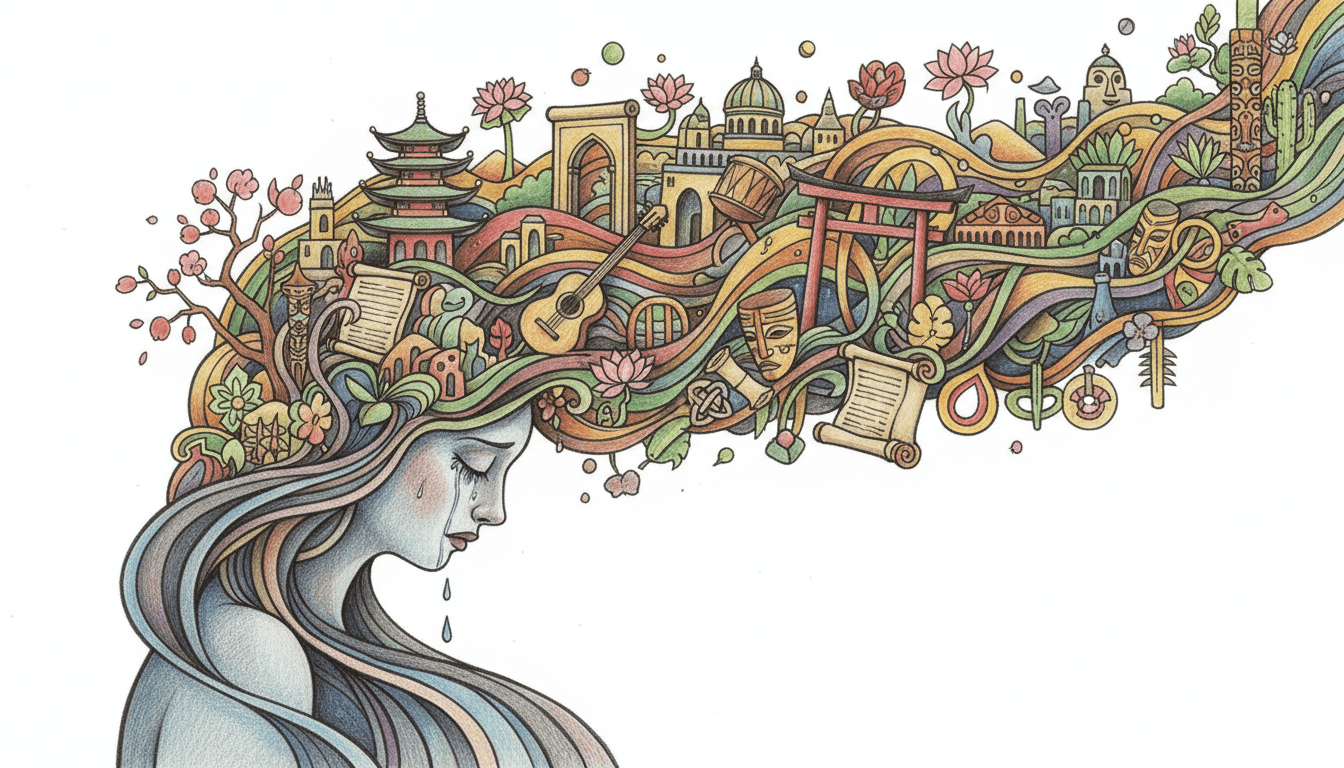
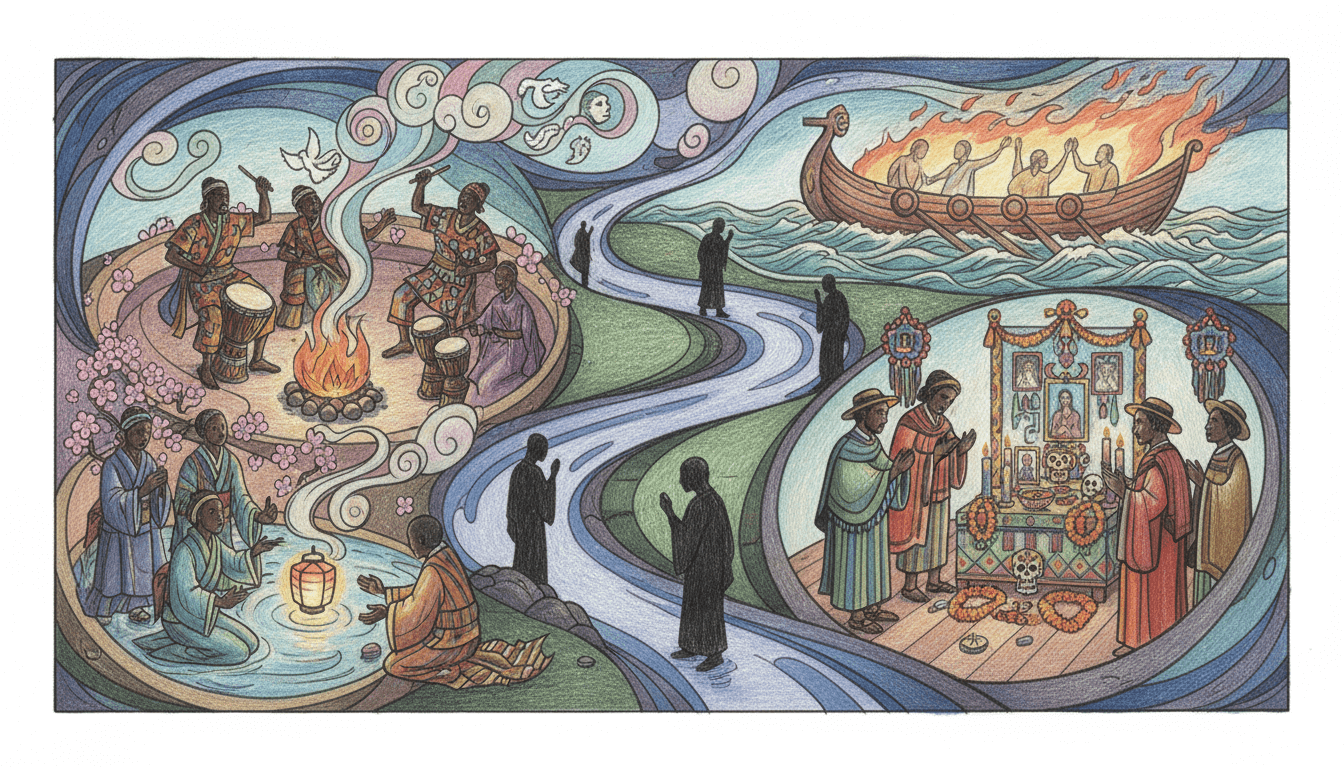
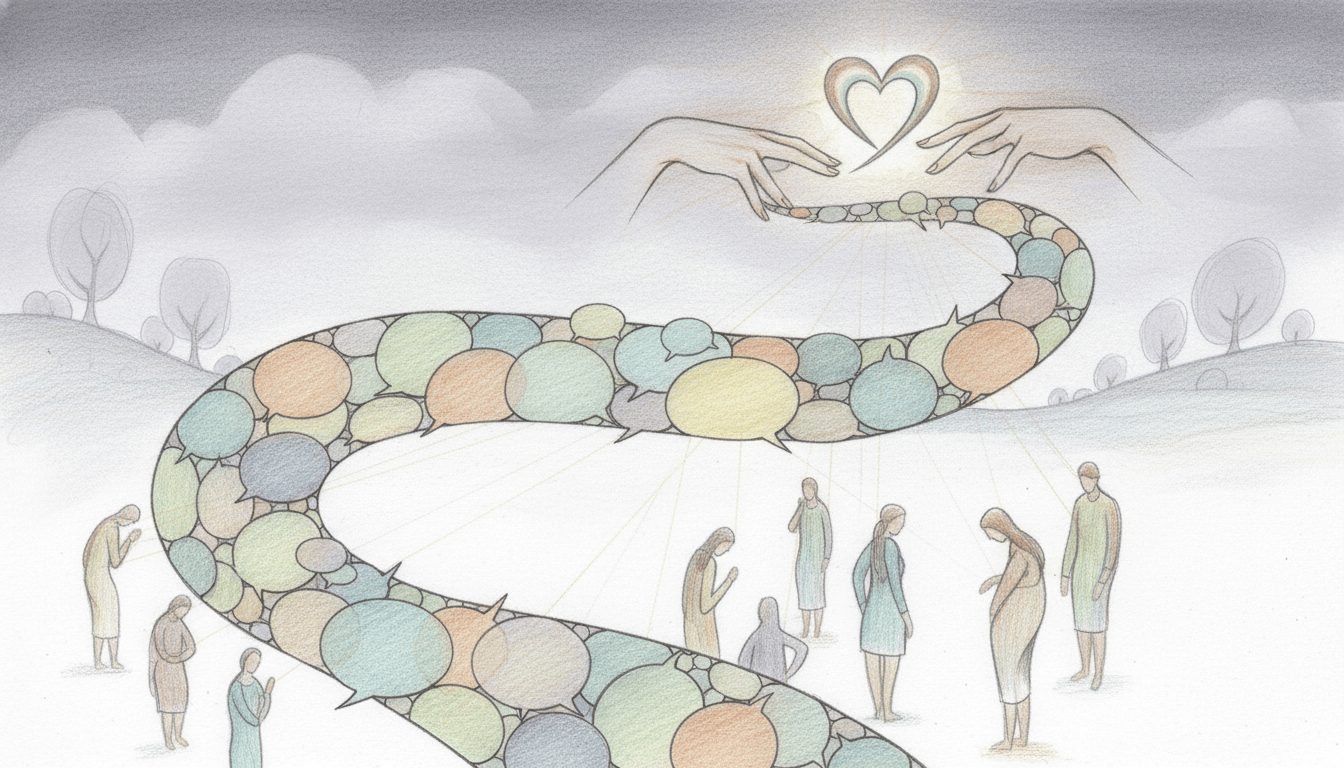
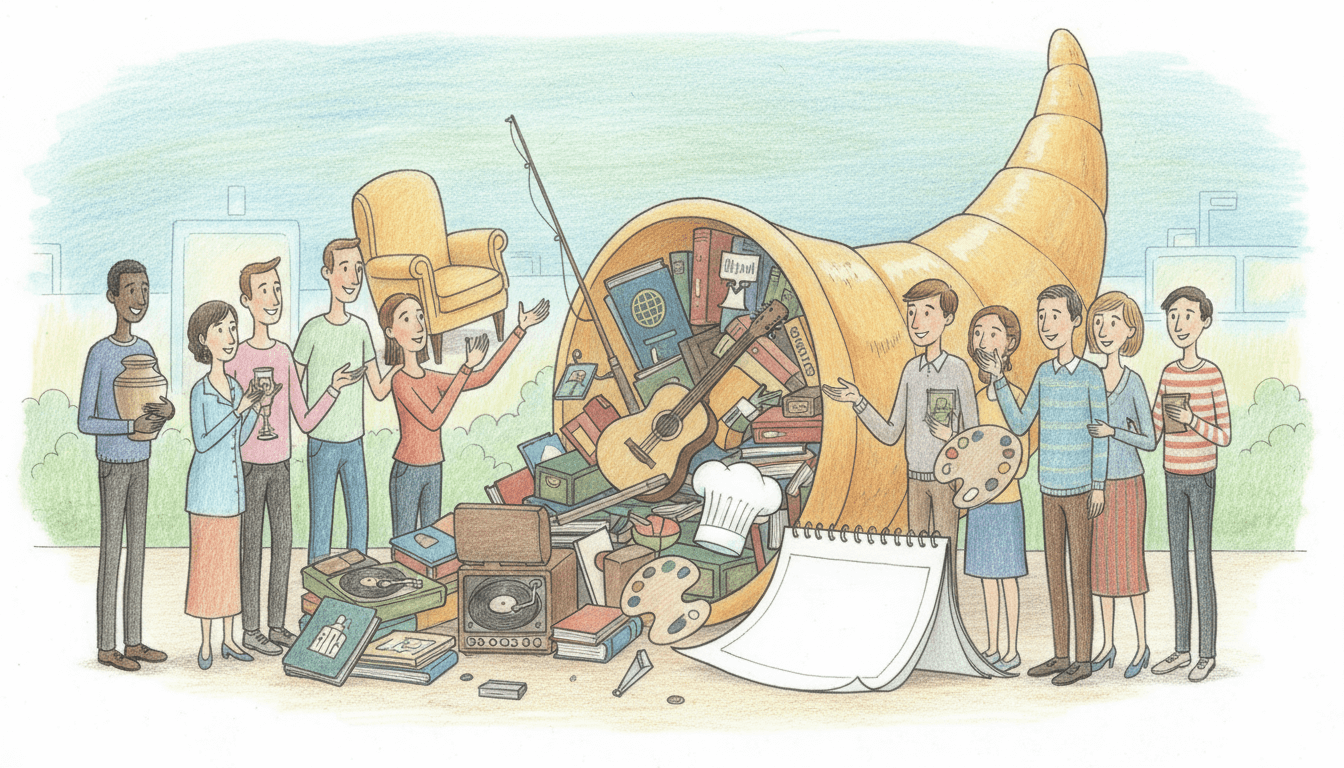
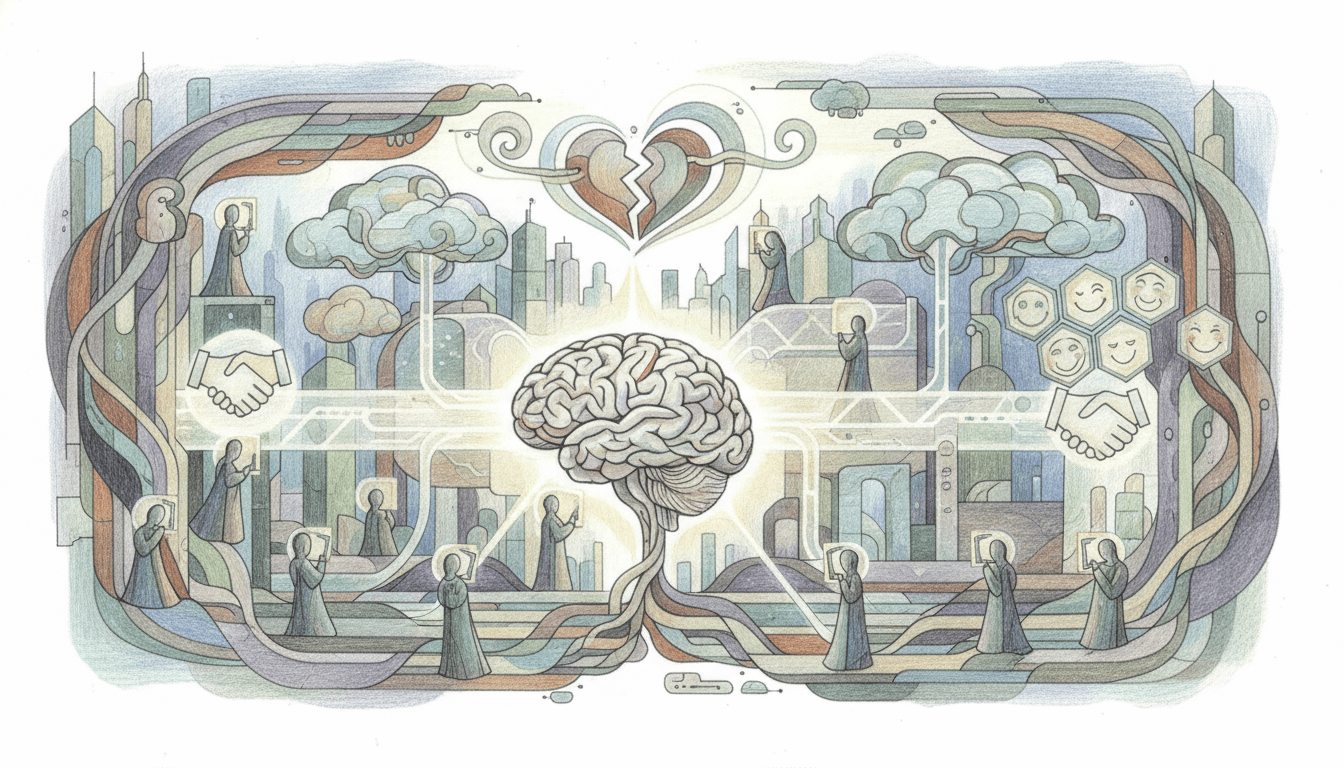
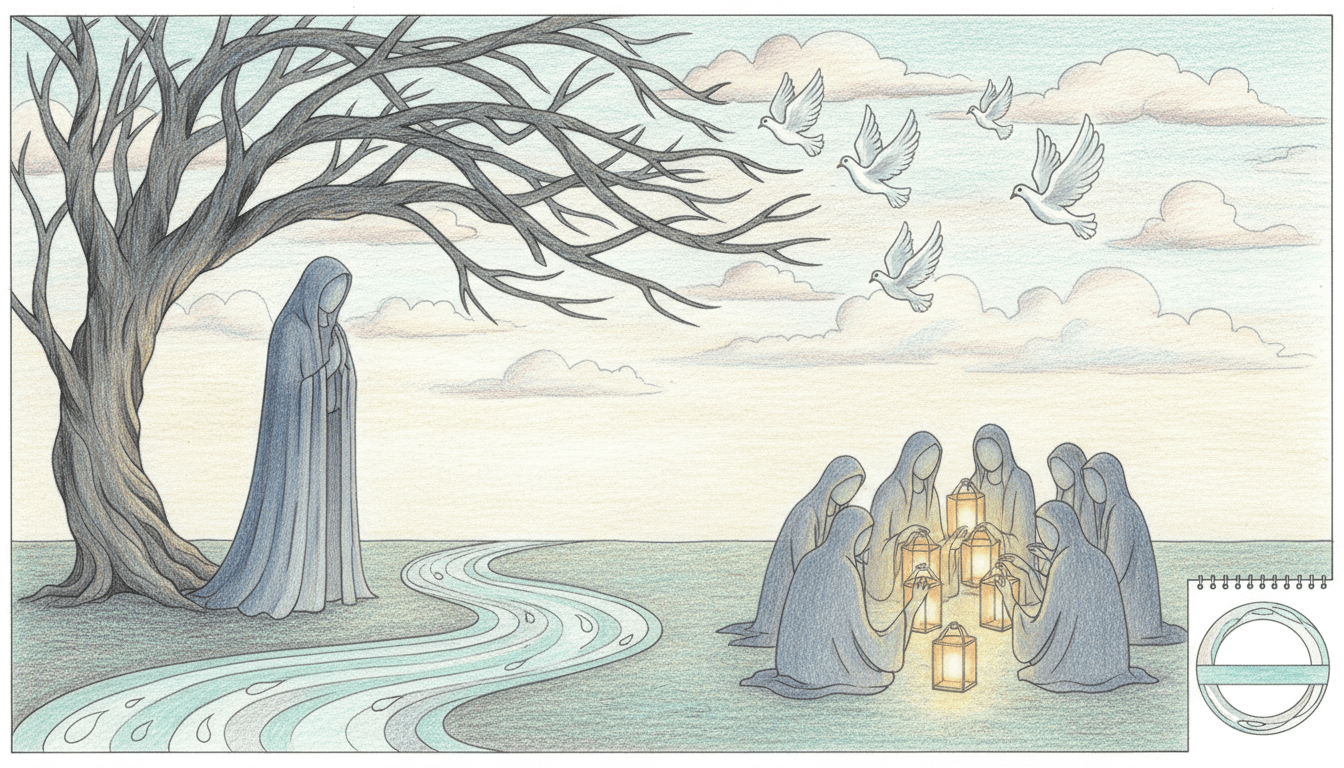
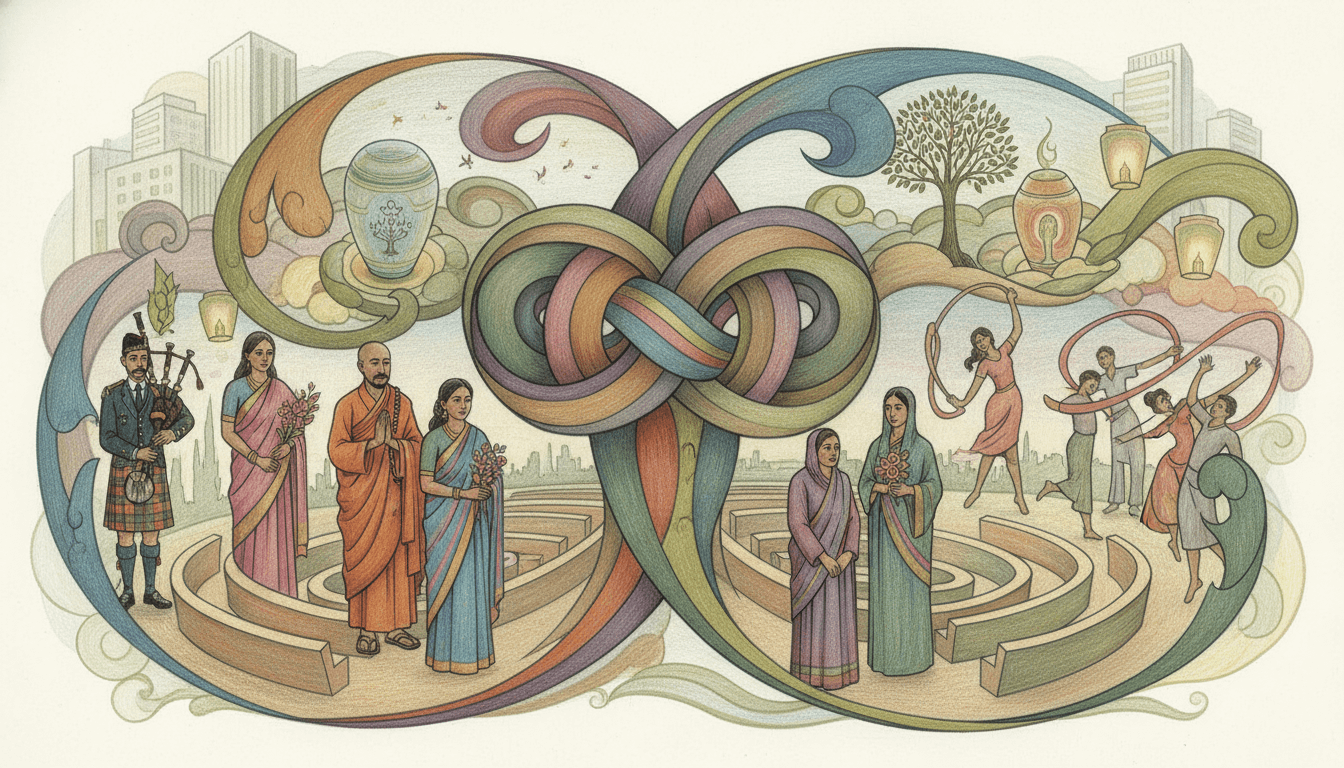
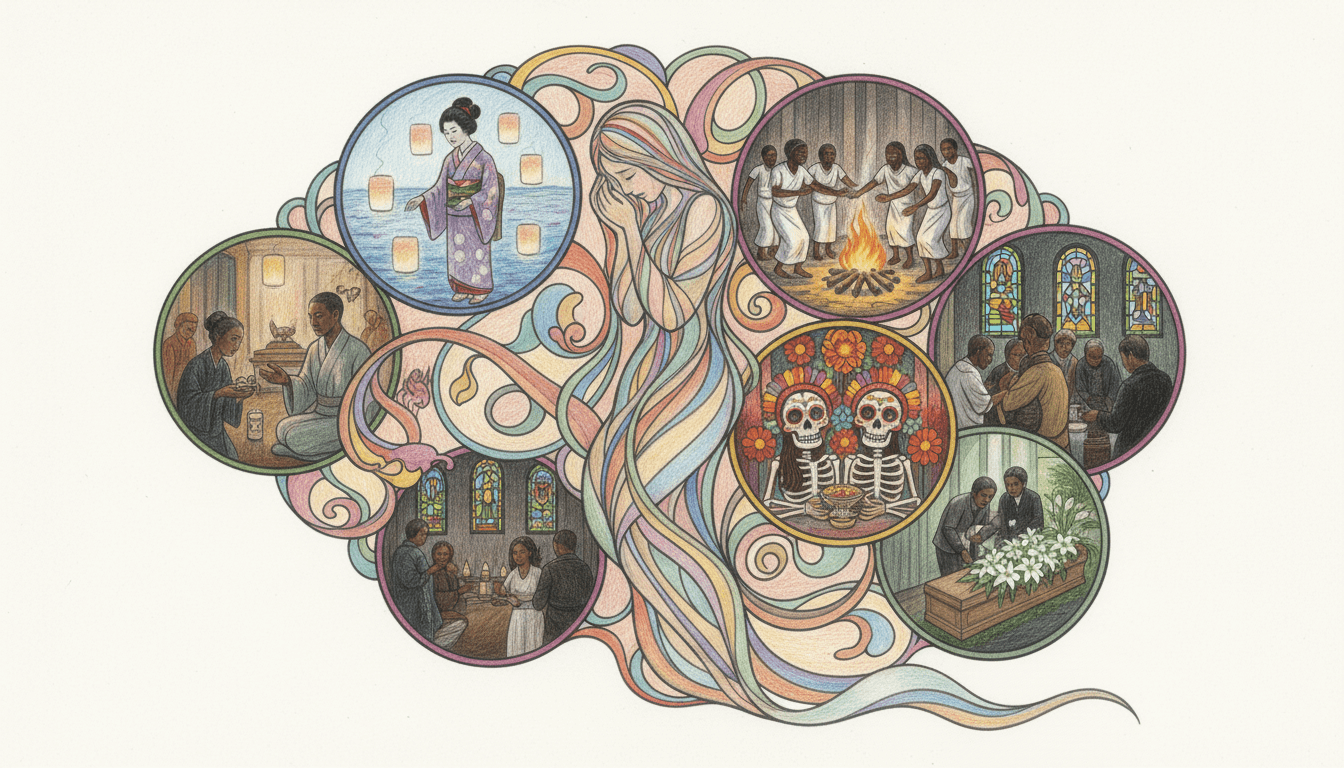
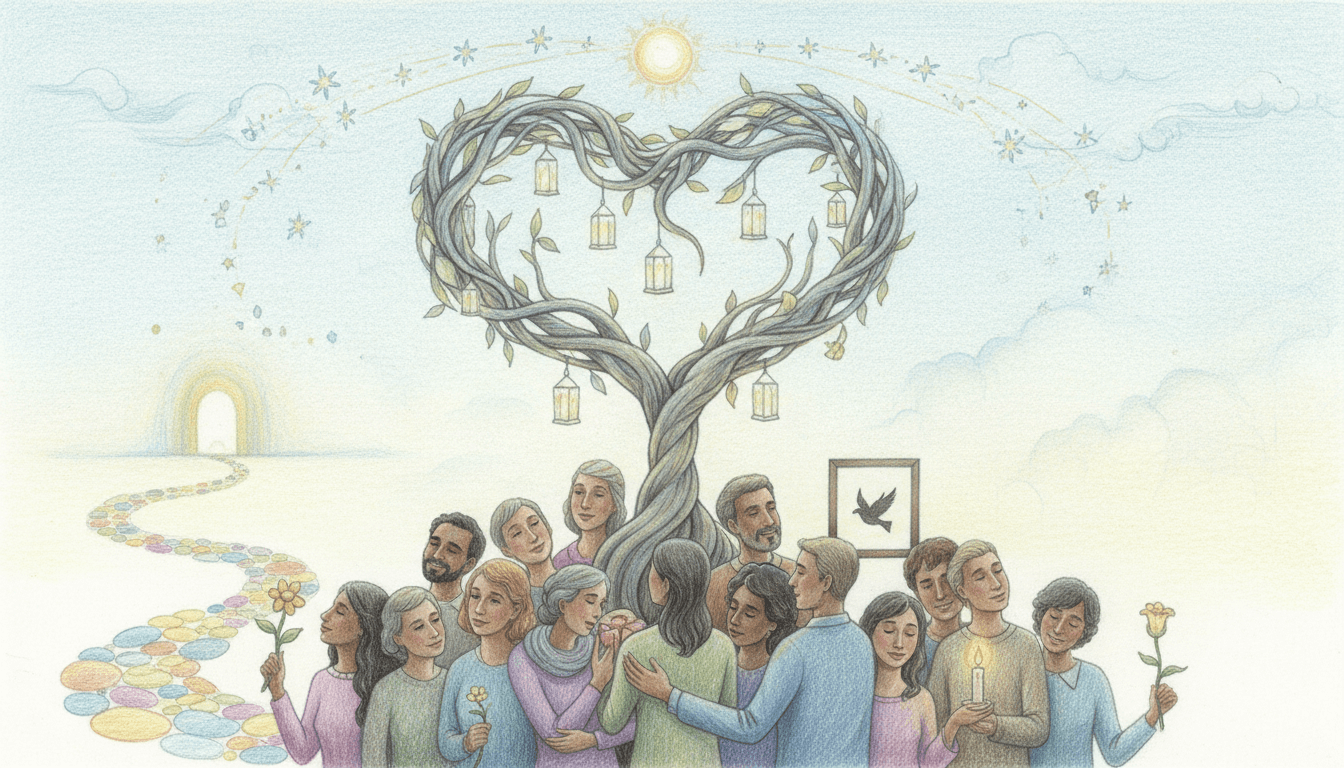
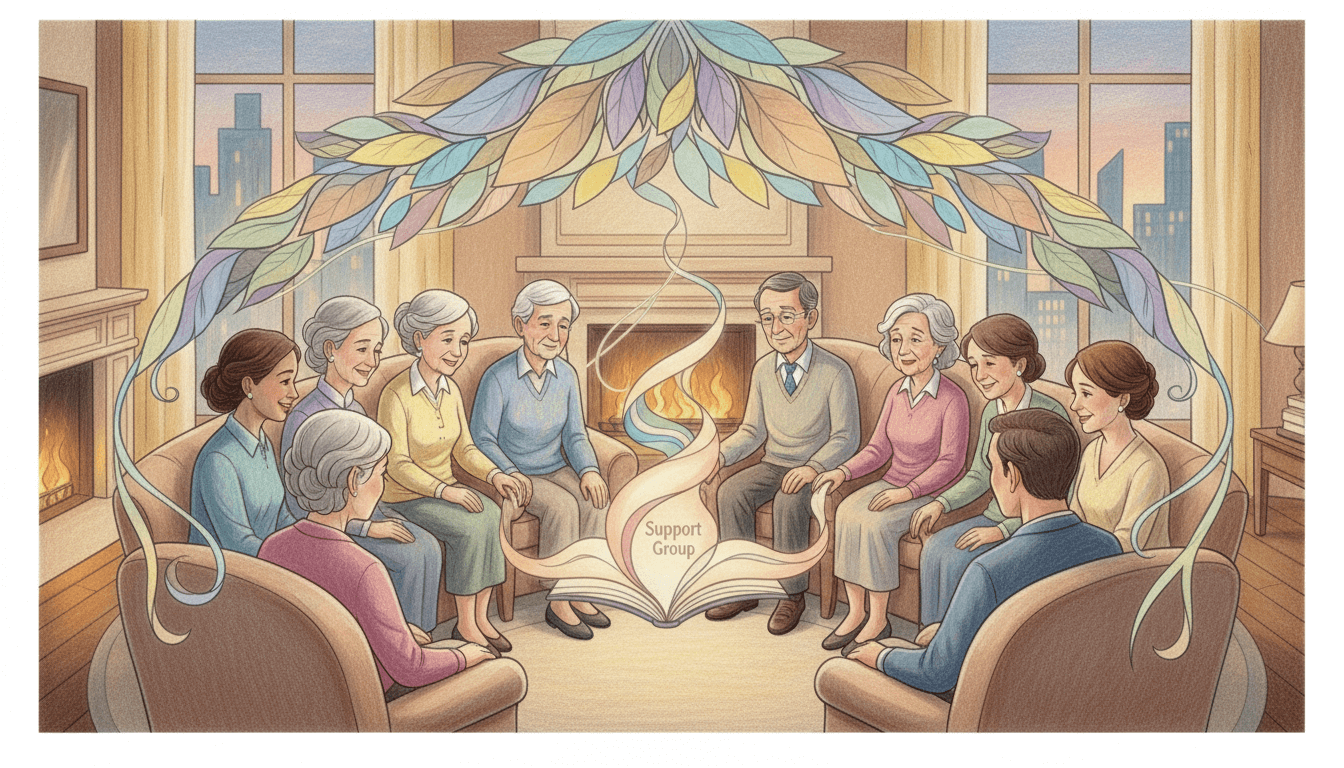
Grief, while a universal emotion, is deeply embedded in cultural frameworks that dictate how loss is expressed, processed, and honored. Research from Grief and Culture Studies indicates that approximately 70% of global populations adhere to culturally specific mourning practices, highlighting the importance of understanding these variations. Cultural expressions of grief can be broadly categorized into private mourning, public grief expression, and structured rituals, each influenced by factors like traditions, community norms, and individual beliefs. In Western cultures, such as those in the United States and Europe, grief often leans toward private expression, with an emphasis on personal reflection and limited public displays. For instance, funeral services may focus on quiet memorials, where families gather intimately to share memories, reflecting a preference for restrained emotional expression. Conversely, many Latin American, African, and Asian cultures embrace communal mourning, where grief is shared openly among extended families and communities. In Mexico, Día de los Muertos (Day of the Dead) is a vibrant public celebration honoring deceased loved ones with altars, marigolds, and festive gatherings, transforming grief into a collective experience of remembrance. Similarly, in Ghana, elaborate funerals with drumming, dancing, and colorful coffins serve as community events that reinforce social bonds. Specific rituals also play a critical role; for example, in Jewish traditions, Shiva involves a seven-day period of mourning where visitors offer condolences, emphasizing community support. In contrast, Japanese customs often include quiet, Buddhist-inspired ceremonies, such as kōden (monetary offerings), which reflect a more reserved approach. Factors like religious beliefs further shape these practices; in Hindu cultures, cremation is common, accompanied by rituals like scattering ashes in sacred rivers, while in Islamic traditions, burial occurs swiftly with communal prayers. Understanding these nuances is vital for funeral service providers, as it allows for tailored support that respects cultural identities. For instance, offering multilingual resources or accommodating ritual-specific requests—such as providing space for ceremonial washing in Muslim funerals—can enhance family comfort. Moreover, cross-cultural awareness helps avoid misunderstandings; in some cultures, loud wailing is a norm, whereas in others, silence signifies respect. By integrating cultural competence into grief support, families can navigate loss with dignity, ensuring that funeral planning aligns with their heritage and values. Ultimately, recognizing the diversity in grief expression fosters empathy, helping communities and service providers deliver compassionate, personalized care during times of bereavement.