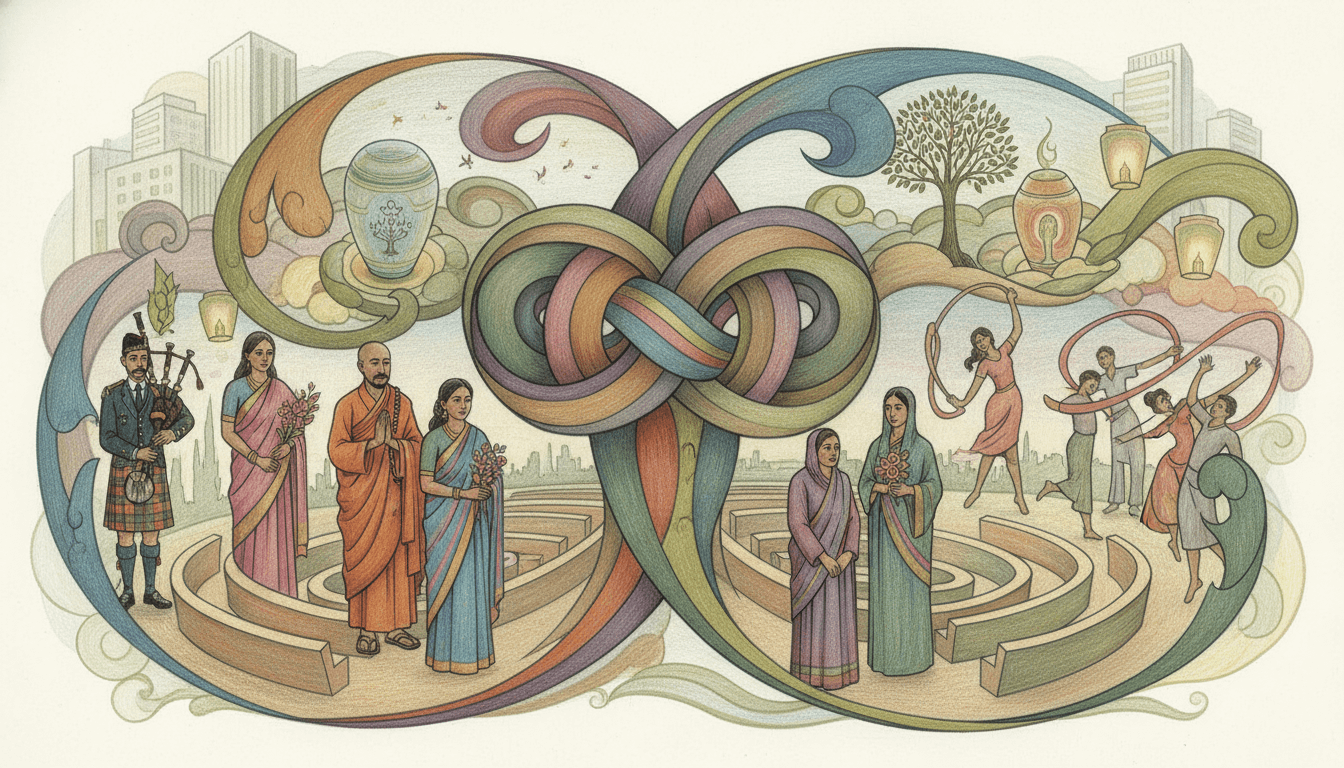
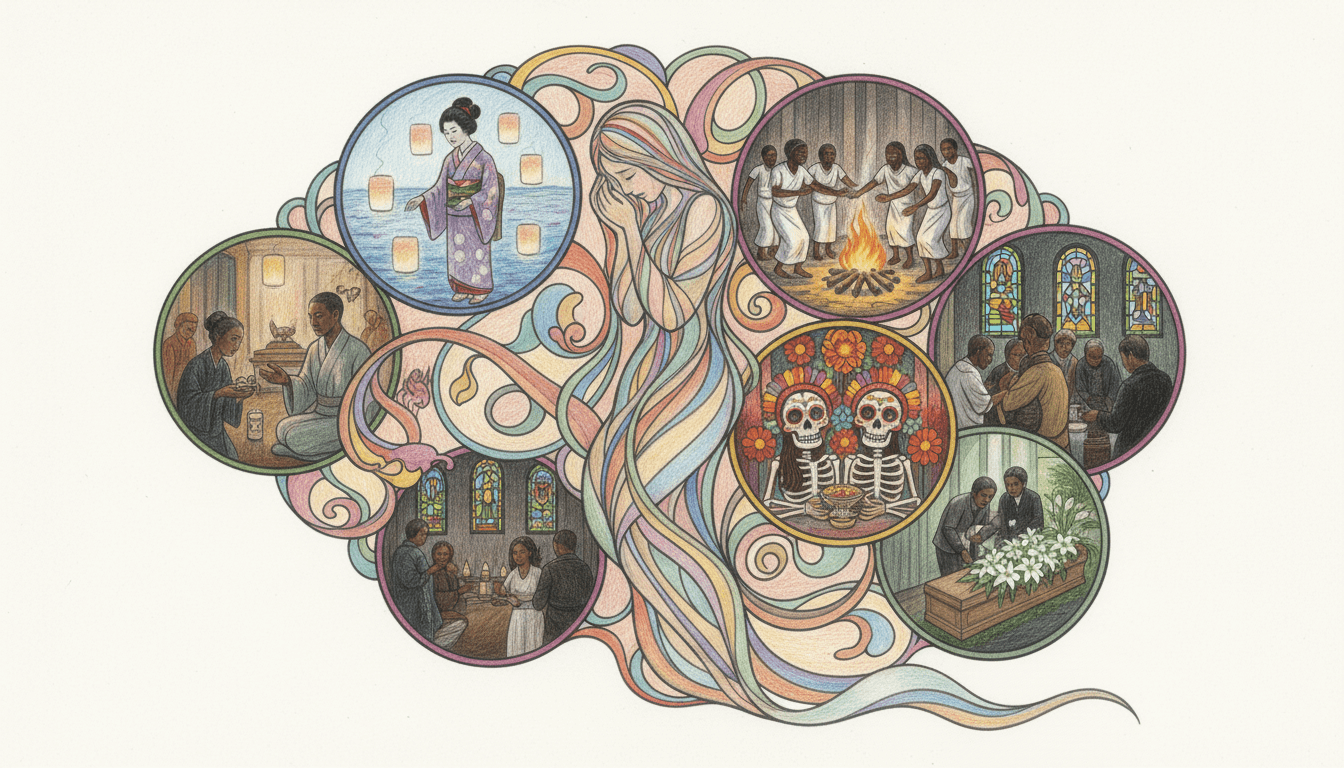
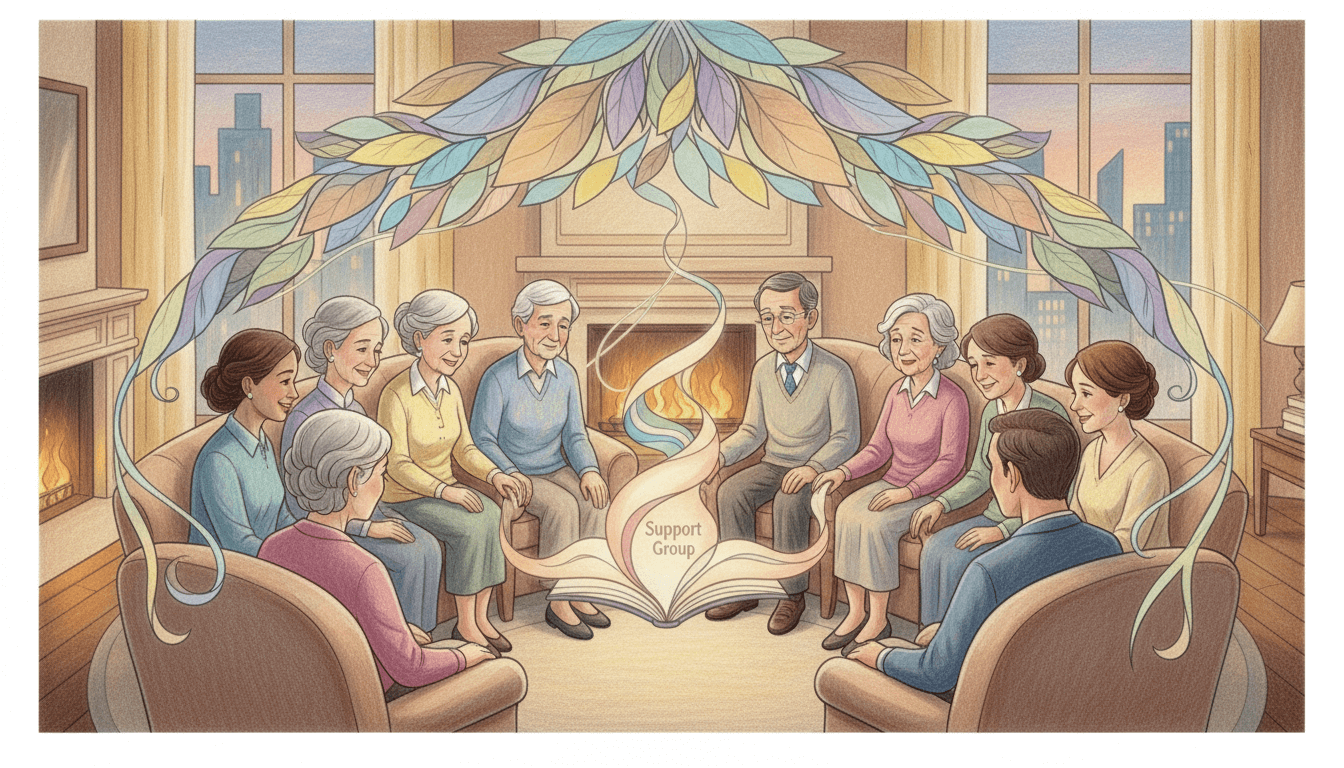
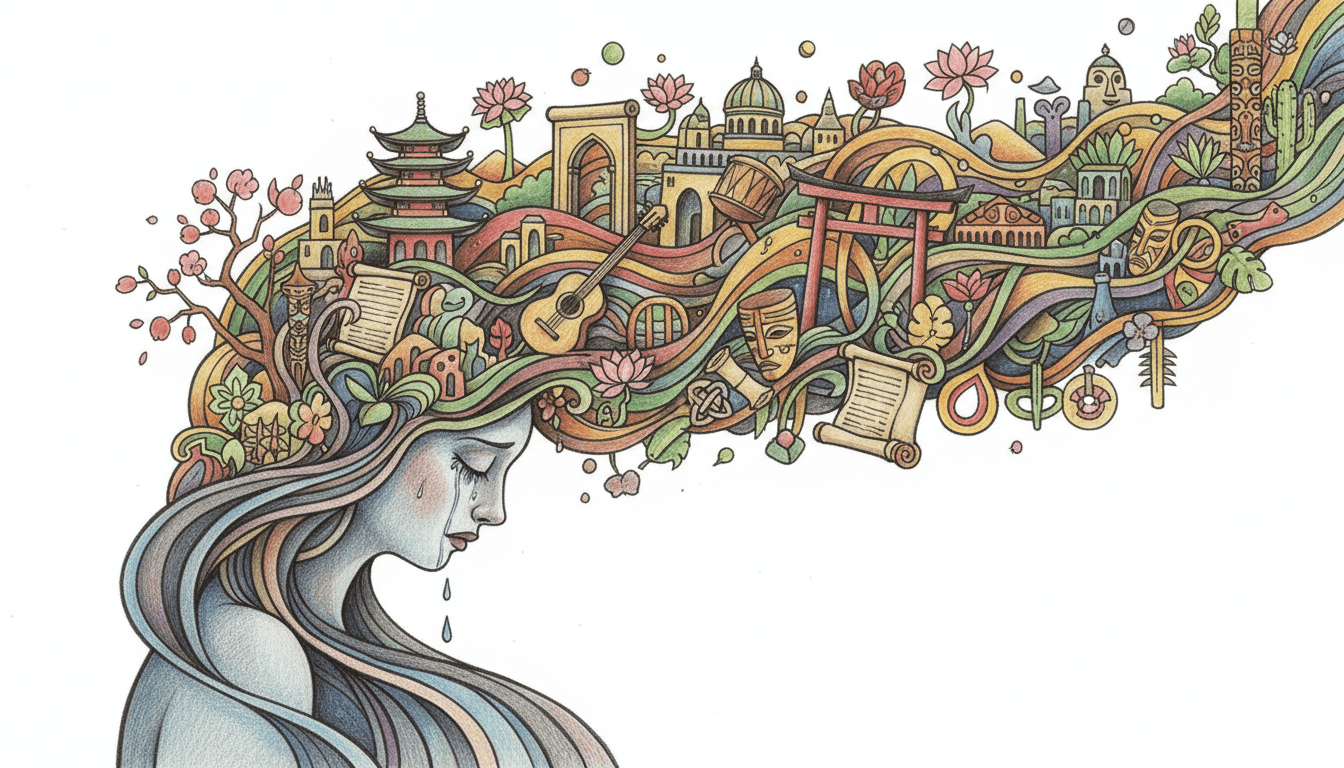
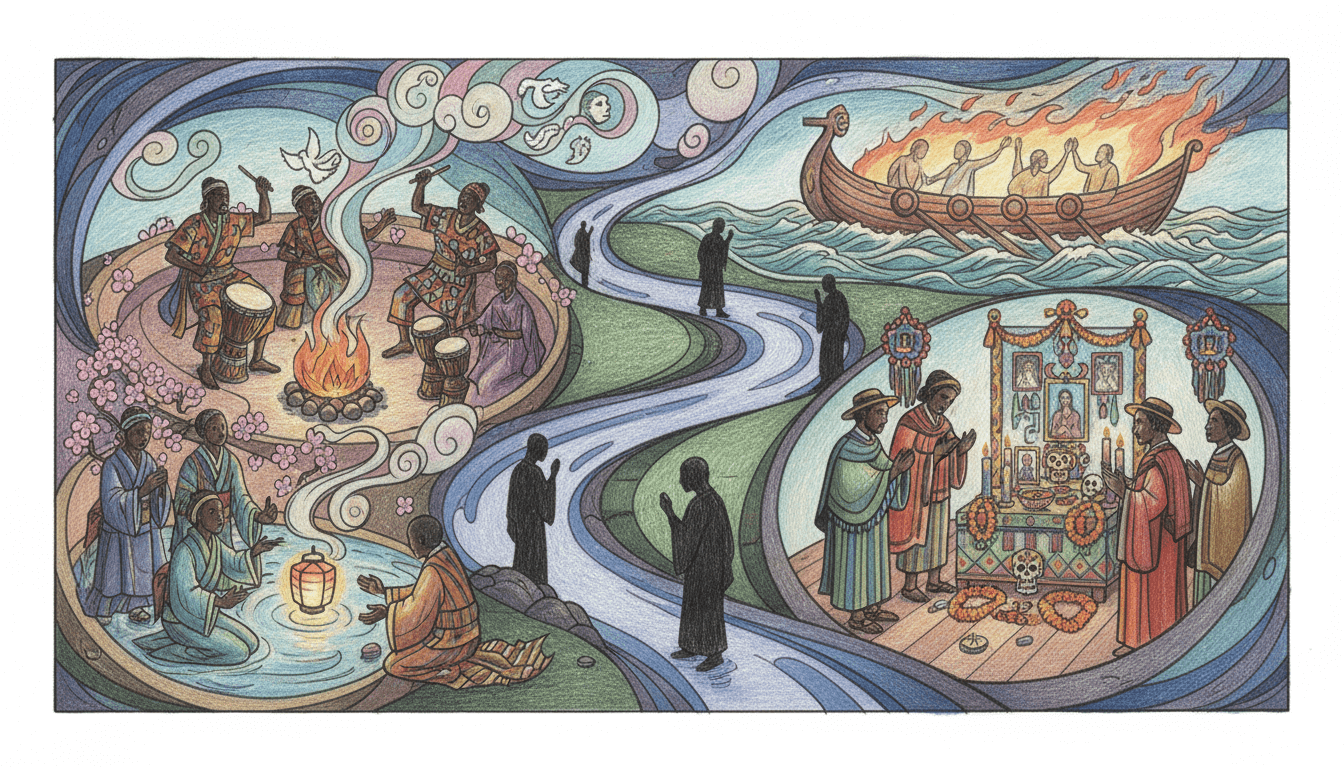
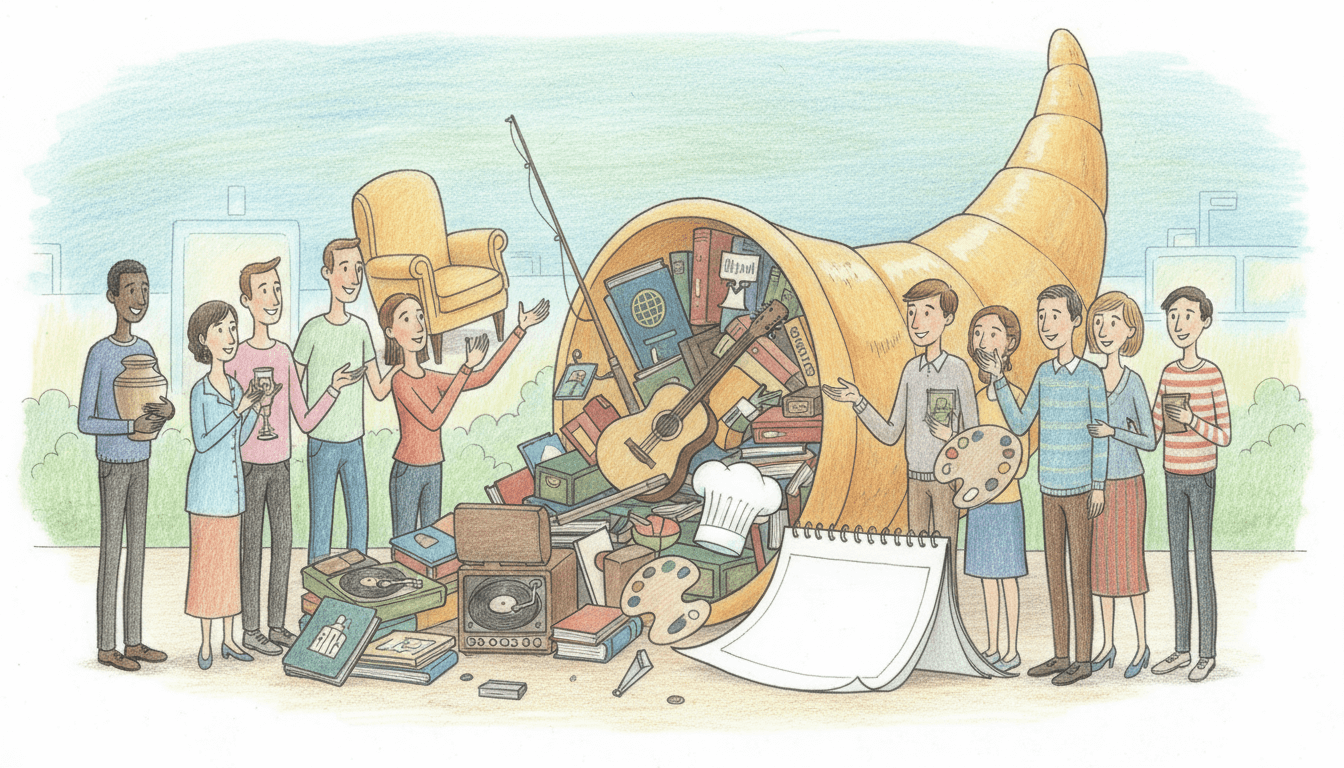
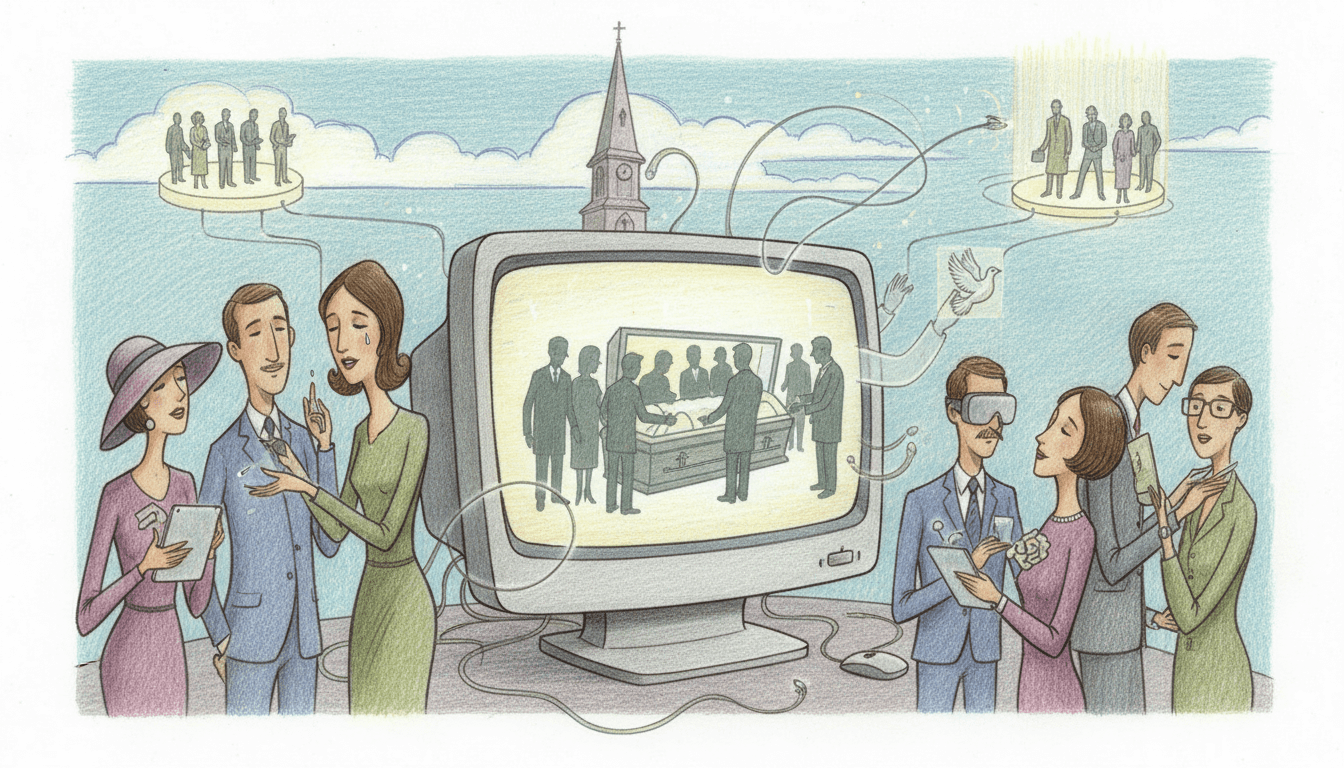
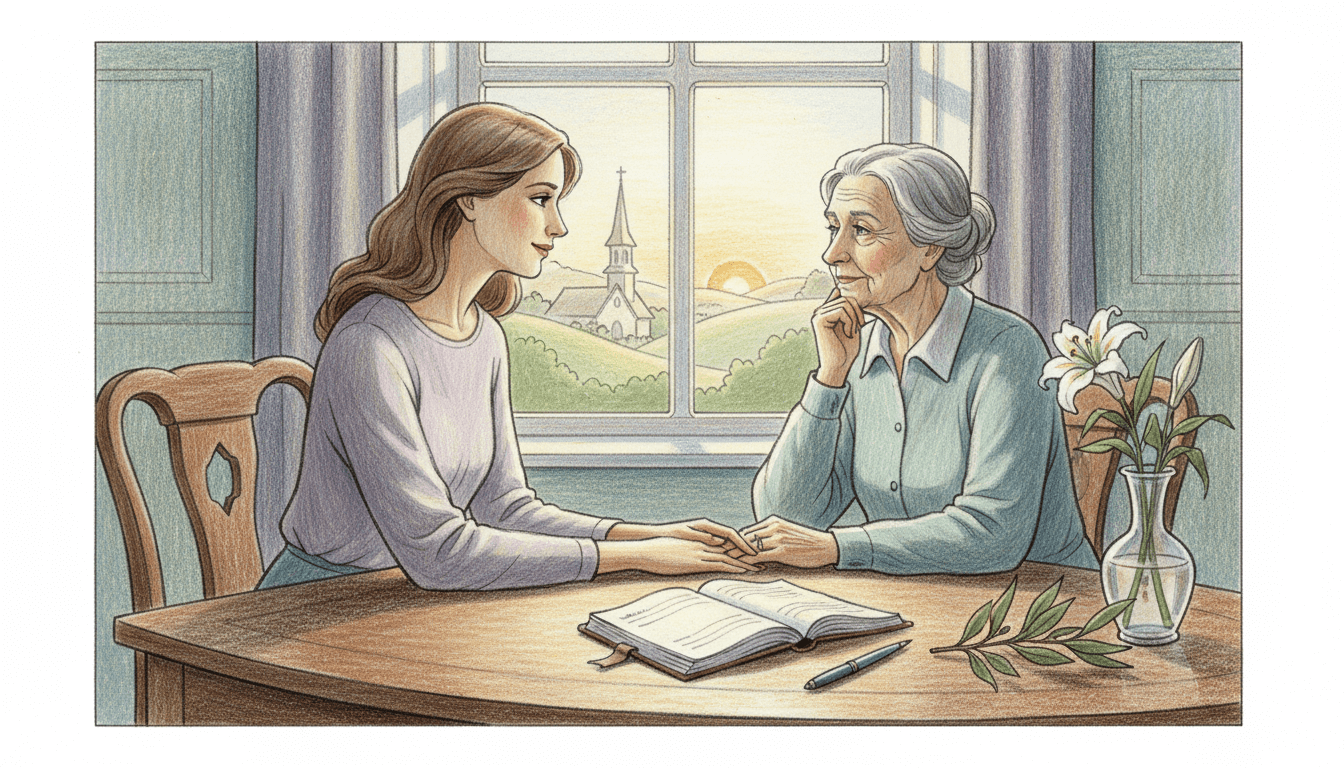
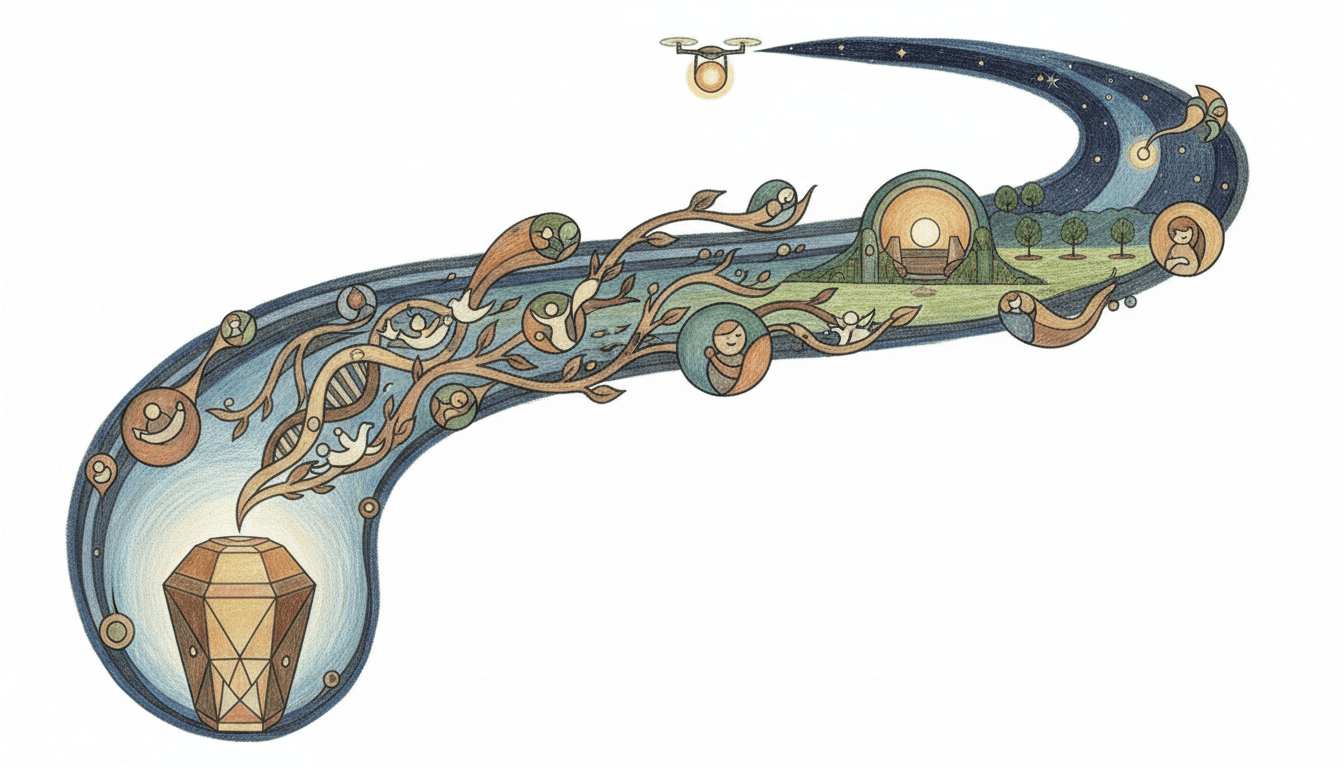
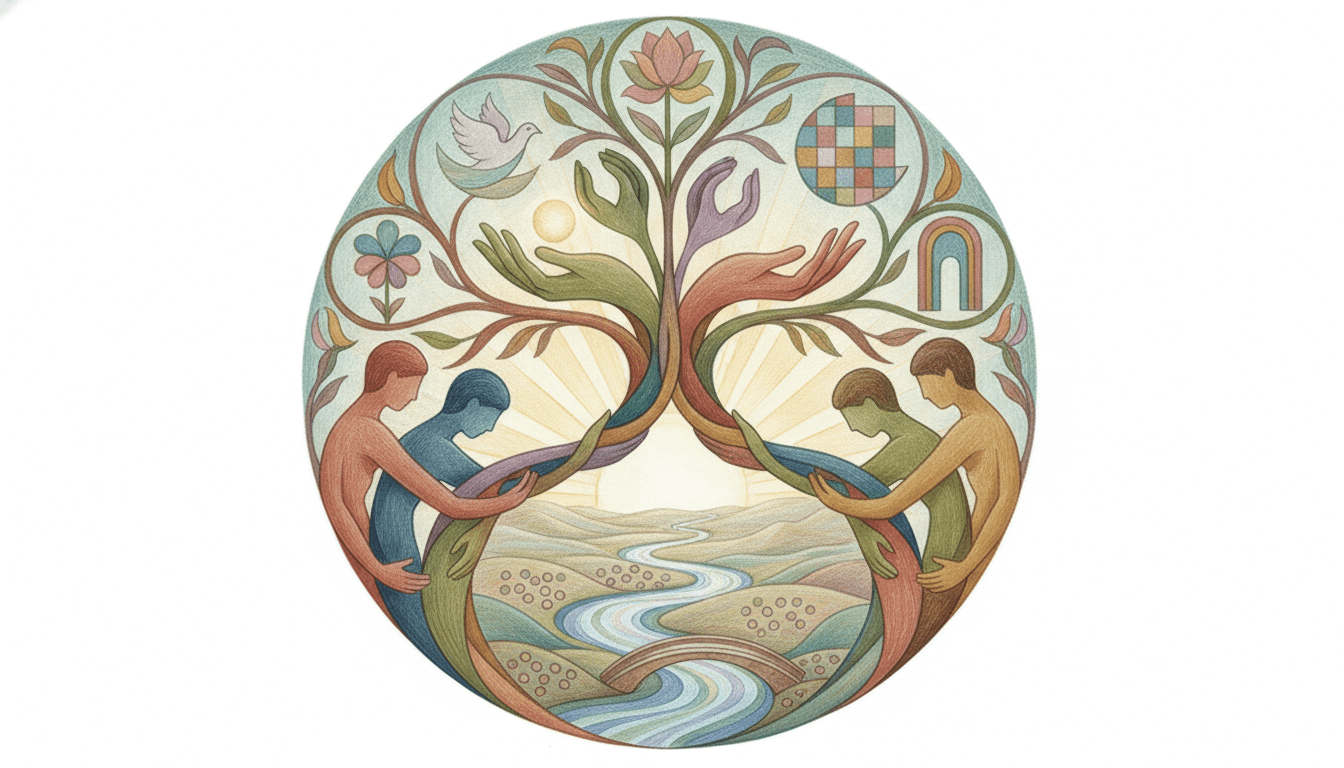
In recent years, the funeral services industry has witnessed a significant shift towards embracing cultural diversity, with over 75% of funeral homes now reporting adaptations to accommodate varied traditions. This evolution stems from a growing recognition that memorial services must respect and celebrate the unique cultural backgrounds of individuals, ensuring that each ceremony is both meaningful and personalized. Multicultural memorial approaches involve integrating elements from different cultures, such as specific rituals, music, attire, and symbolism, tailored to reflect the deceased's heritage. For instance, services may include Buddhist chanting, Native American smudging ceremonies, or Hispanic velorios, depending on the family's preferences. Customized cultural practices allow for flexibility, enabling families to combine traditional elements with contemporary touches, such as digital memorials or eco-friendly options, while maintaining cultural integrity. This customization not only honors the deceased but also provides comfort to grieving families by affirming their cultural identity. Respectful representation of diverse traditions requires funeral directors and staff to undergo cultural competency training, with many institutions now offering specialized programs covering over 50 different cultural and religious practices. This education ensures that services are conducted with sensitivity, avoiding misunderstandings and fostering an environment of inclusion. The trend of increased cultural sensitivity in funeral services is supported by data indicating that 68% of families prioritize cultural authenticity when planning memorials. Personalized cultural representation involves collaborative planning, where families actively participate in designing the service, selecting rituals, and incorporating symbolic items like specific flowers, foods, or artifacts. For example, in Hindu traditions, ceremonies often include a havan (fire ritual) and the scattering of ashes in sacred rivers, while Jewish services may feature the tearing of clothing (kriah) and sitting shiva. By addressing these details, funeral providers help families navigate the complexities of funeral planning with clarity, ensuring that every aspect—from the choice of burial or cremation to the selection of a funeral home—aligns with cultural expectations. Moreover, this approach enhances the overall experience, making it more compassionate and supportive. Resources such as multilingual staff, culturally specific grief support groups, and detailed guides on various traditions further assist families in honoring their loved ones authentically. Ultimately, embracing cultural diversity in memorial practices not only enriches the funeral service industry but also strengthens community bonds by celebrating the rich tapestry of human heritage.